

18th May 2026
I was diagnosed with ADHD at the age of 25 and it felt like the revelation I’d been waiting for.
For as long as I can remember people around me have insinuated I may have ADHD, or be autistic, but I never really knew what it meant or what it would mean for how I live my life. It was only because of my peers that I began to understand what these things actually mean, beyond stereotypes. With a mix of talking to neurodivergent peers and the formal diagnosis, I’ve probably learned more about myself in the past 2-3 years than ever before. I am now also waiting on a formal autism diagnosis.
Just having the right language to talk about my experiences and patterns has been life-changing both outside and inside of work. Understanding that I have certain behavioural patterns and responses to various situations has meant I can take more control of my life; when for most of it I did not even have any awareness of my emotions or why I would act and feel certain ways. Unfortunately, this is not something that is always taught very well in schools or to young people in general, or at least not when I was there.
As soon as I gained this understanding, I was able to look back across my upbringing and identify all of the different ways my neurodivergence had affected me – and when I knew how to identify and talk about these things it allowed me to explore and develop my relationships with the people around me, as I could communicate more effectively and felt empowered to be open and honest about myself.
All of this is why I love to see the work Children North East do for neurodivergent young people.
I know how huge a difference it would have made to have learned about all of this early on in my life. I think it’s incredibly important for both young people to be given this understanding, but also for their families, as there is often a serious lack of knowledge and understanding.
After giving resources to my parents after my diagnosis, it was like a ray of revelation had hit them – they felt like it should have been obvious but had lacked any understanding and language around the topic themselves throughout my upbringing. Before I came to understand my own neurodivergence I often would be “battling against” myself rather than learning how to adapt my life to work for me.
I believe that if young people are able to do this while still in school and while developing their social world, this means they can be more confident, grounded and have healthier connections and a less stressful time overall.
It’s also great to see spaces being provided for neurodivergent young people to get together and know each other, as I know personally how much confidence and a feeling of social acceptance that can bring – as well as sharing experiences and thoughts with each other being a hugely important way for people to develop understanding and a common language around neurodiversity.
The general understanding of neurodivergence in society needs to be raised and it’s great to know that I work for an organisation that is playing a part in doing this.
Working in a place that truly understands neurodivergence and how to support people has made a huge difference for me to feel like I can thrive in the workplace.
At Children North East the culture of openness and understanding around neurodivergence in the workplace that has allowed me to feel more comfortable at work than I ever have before, as well as being able to be more myself and open with my co-workers. They have supported me by being accommodating and understanding, and trusting me to manage my workload with the required flexibility I need, and openly advocating that I make them aware of any adjustments I might need. This has given me a voice I didn’t have before. It has been wonderful to work in this kind of environment with these kinds of people.
*Name changed and stock image used to protect identity.
18th May 2026

30th April 2026
How Little Minds in Mind Helped One Mum Feel Like Herself Again

16th April 2026
Masquer‑Aid: Building Confidence, Community and Self‑Advocacy

1st April 2026
Hi, my name is Lucy and I was diagnosed with ADHD (combined type) at 23.
For most of my life, I thought there was something fundamentally wrong with me.
As a child, I was “the funny one.” Chatty, loud and full of energy. I was often told off for being disruptive, but I never understood why. At school, I quickly learned to mask, becoming quiet and high-achieving. I internalised the misconception that boys could be rowdy and girls should be calm and organised, so I forced myself to appear that way. By the time I got home at the end of the day, I exploded emotionally.
My self-worth collapsed by secondary school. I was in a grammar school surrounded by high achievers and was convinced I was the least intelligent in every room. I struggled with focus, organisation and deadlines, but assumed I was simply weaker for not coping. I saw myself as lazy, stupid and pathetic. My headmaster told me that I wasn’t good enough for A Levels and “wouldn’t equate to anything in life.”
At 16, I dropped out of college. The shame was unbearable. I was labelled “the drop-out,” which I laughed off publicly but felt deeply. I desperately wanted to succeed, but couldn’t manage the unstructured environment or keep up with coursework. Without understanding why, I believed I failed again. At 19, I returned to education, determined to prove I wasn’t a failure.
Over the next few years, I was treated for anxiety and depression. My GP prescribed antidepressants and referred me to counselling, yet my ADHD went completely unnoticed in healthcare settings. During this time, I developed unhealthy and often dangerous coping mechanisms linked to emotional dysregulation and dopamine seeking.
In contrast, ADHD showed its strengths. In highly stressful or chaotic situations where I was expected only to react, not manage my time or workload, my brain was calm and focused.
In 2022, I was recommended counselling from Children North East and that’s when my life began to change.
For the first time, I had consistent, long-term therapeutic support. My counsellor helped me explore my childhood, coping mechanisms and patterns. I mentioned how being distracted by my surroundings during an EMDR session from previous counselling made me question whether I have ADHD, so she incorporated this into our sessions. Everything started to click. With her support, I began researching properly. I recognised myself in the inattentiveness, emotional dysregulation, hyperfocus, burnout, dopamine seeking and masking.
I spoke to my GP and was placed on a waiting list, later told it could take up to 6 years. I was incredibly fortunate to access a private assessment and was diagnosed with ADHD combined type.
Diagnosis brought overwhelming relief, but also anguish. I know that had I received support earlier, I wouldn’t have been a child punished for symptoms she didn’t understand, or a teenager told she was worthless and believing it.
ADHD in girls and women is still under-recognised. Many internalise symptoms rather than externalise them. We’re often treated for anxiety or depression without anyone asking what’s driving those experiences in the first place.
With diagnosis came education support, including weekly 1×1 study skills sessions and assistive software. With medication and the right adjustments, everything changed. I graduated with a First Class Honours, received a Pro-Vice Chancellor award and won Best Tourism Student. The girl once told she “wouldn’t equate to anything in life” proved otherwise!
ADHD didn’t disappear. I still need structure and support. Some days are harder than others. But I now know how to cope, adjust and communicate when I find things challenging.
Today, I work for Children North East. The same charity that supported me when I needed it most. Supporting young people now feels like a full-circle moment and I try to share parts of my story so others know they aren’t alone. I see so many young people who remind me of my younger self: bright, funny, overwhelmed, misunderstood. Representation matters. Understanding matters.
To neurodivergent readers: you are not lazy. You are not dramatic. You are not wrong. You deserve support, not shame.
To parents and carers: if your child seems overwhelmed, emotionally reactive, perfectionistic, exhausted, or struggling disproportionately with organisation, trust your instincts. Neurodivergence can look different from stereotypes, particularly in girls.
To neurotypical readers: ADHD is not simply being disorganised and quirky. It’s a neurodevelopmental condition affecting executive function, emotional regulation and reward processing. With the right understanding and adjustments, we can thrive.
Awareness of ADHD and neurodivergence has grown significantly in recent years, which is a positive and necessary shift. However, neurodivergent conditions remain under-researched and underfunded, particularly in women and marginalised communities. Other forms of neurodivergence, such as dyspraxia and dyscalculia, receive even less attention. Increased awareness must be matched with investment in research and meaningful support so that no one is left waiting years for answers.
Sometimes I wonder how life might have been different with an earlier diagnosis. But I also know this: my experiences shaped my empathy, resilience and determination.
ADHD is not my failure. It’s part of my wiring.
Different isn’t wrong.
If you’re questioning whether you’ll ever “equate to anything in life” I promise you will. With the right support, and acceptance we can and will thrive.
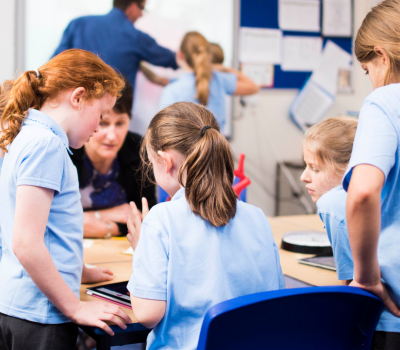
*Name changed and stock image used to protect identity.
18th May 2026
30th April 2026
How Little Minds in Mind Helped One Mum Feel Like Herself Again
16th April 2026
Masquer‑Aid: Building Confidence, Community and Self‑Advocacy
1st April 2026
Supporting mental health is at the heart of everything we do. Our services are shaped around the real experiences of children, young people, and families by offering practical, emotional, and therapeutic support when it’s needed most. From school-based programmes to one-to-one counselling, peer support and family work, we’re there to listen, guide and empower.
Watch the video below to find out more about our mental health and therapeutic services, and how you can support us.
With your support, we can offer a lifeline, create new beginnings, and change a life today. Just £35 could support a young person who has experienced abuse with a counselling session. Be A Lifeline for the children, young people and families in your region. Your gift, their future.
18th May 2026
30th April 2026
How Little Minds in Mind Helped One Mum Feel Like Herself Again
16th April 2026
Masquer‑Aid: Building Confidence, Community and Self‑Advocacy
1st April 2026
Our expert teams offer a range of services in community venues and at home. These include support and activity groups, which create a space to focus on play, communication and spending quality time together. We also provide one-to-one help for families in periods of crisis, with the goal that families are supported to stay safe, care for each other and play a positive role in each other’s lives.
We also offer a wide range of youth work projects, including drop-ins, cooking and activity sessions, peer support groups and sexual health services. We reach young people in places that matter to them across the North East, including at our youth friendly centres and award-winning allotment, which offers a chance to get back to nature. The young people we work alongside are empowered to be themselves, connect with their community and pursue the lives they want to lead.
Watch the video below to find out more about our Communities activities and how you can support us.
With your support, we can help every child, young person and family have a chance to feel safe, a chance to feel heard, and a chance to belong. Be A Lifeline for the babies, children, young people and families in your region. Your gift, their future.
18th May 2026
30th April 2026
How Little Minds in Mind Helped One Mum Feel Like Herself Again
16th April 2026
Masquer‑Aid: Building Confidence, Community and Self‑Advocacy
1st April 2026
The long–awaited Child Poverty Strategy has been released; “Our Children, Our Future: Tackling Child Poverty”. We greatly welcome this national strategy and are proud of the work we, and our networks, have done to drive this change.
“We greatly welcome this national strategy and are proud of the role Children North East and our networks have played in driving this change; we are hopeful this will alleviate some of the issues that have caused hardship for so many.
We are encouraged by the government’s acknowledgement that poverty is systemic and requires long-term, collaborative solutions. Our Poverty Proofing® work, which listens directly to children, young people and families, has been recognised as a key contribution to this strategy, and we will continue to ensure their voices shape meaningful change. The recognition of our work across education, healthcare, and cultural settings is a testament to the dedication and passion of our teams and partners. Together, we can build a sustainable future where every child has the opportunity to thrive.”
Leigh Elliott, Children North East
The announcement by Rachel Reeves, lifting of the two-child limit is a big lever of change that will make a quick and long-lasting difference to child poverty. Although there are concerns about it not coming into effect until April 2026, leaving families struggling through the winter months; it marks the end of an eight‑year battle since the limit was first introduced.
We are pleased to see the acknowledgement by the government of the systemic nature of poverty, and that multiple partners are needed to truly break the cycle. Child poverty cannot be resolved overnight, but this commitment gives us hope that government are investing in long‑term strategies to build a sustainable future for the next generation.
The government promised to create this strategy with a ‘taskforce who will put the direct testimony of children, families and organisations at the heart of their work’, and we are proud of our Poverty Proofing® work that has been recognised as a key contribution to this voice-led approach. Poverty Proofing is a methodology and ethos, created by Children North East in 2014, that supports organisations to recognise and remove barriers for children living in poverty, working across education, healthcare, and cultural settings. The basis of our work is listening to the children, young people and families affected by low-income in these settings and advocating for changes, both big and small, that truly make a difference.
We also deliver Poverty Awareness training to ensure evidence‑based understanding and sustainable practice. By embedding this awareness into everyday decision‑making, organisations are better equipped to challenge assumptions, reduce stigma, and create inclusive environments where all children can thrive.
The recognition of our partnership working across the NHS, Libraries Connected and the Welsh Government to end child poverty is a testament to the hard work, dedication and passion of our teams and networks.
Child poverty is not inevitable. With the right policies, partnerships and commitment, we can ensure every baby, child and young person grows up happy and healthy.
18th May 2026
30th April 2026
How Little Minds in Mind Helped One Mum Feel Like Herself Again
16th April 2026
Masquer‑Aid: Building Confidence, Community and Self‑Advocacy
1st April 2026
At Little Minds in Mind, we offer support to pregnant women and their partners, and anyone caring for an infant up to 2 years old, to help with bonding and attachment. We work with families who may be experiencing a range of difficulties which could impact the developing relationship and bond between them and their baby. Our focus is on the infant’s mental health, and we provide a safe, non-judgemental and supportive space for parents and carers to really observe and understand their baby while processing any difficult feelings they may be experiencing. We also provide education and advice on how to promote healthy brain development and understand how babies communicate and experience the world around them.
Watch the video below to find out more about Little Minds in Mind and how you can support us.
With your support, we can help new families thrive, support new beginnings, and protect early connections. Be A Lifeline for the babies and families in your region. Your gift, their future.
18th May 2026
30th April 2026
How Little Minds in Mind Helped One Mum Feel Like Herself Again
16th April 2026
Masquer‑Aid: Building Confidence, Community and Self‑Advocacy
1st April 2026