

18th May 2026

There is compelling evidence that the first 1001 days of a child’s life are critical in the development of the brain, so we have to keep the Little Minds in Mind.
“A baby’s first relationship with caregivers forms the blueprint for all future relationships.”
Our Little Minds in Mind programme is something Children North East are immensely proud of as it provides support that is significantly different from any other service in the North East. With insight from our Parent-Infant Therapist, Marie Clark, we want to take the time to share more on the importance of this work.
Becoming a parent is a time in which complicated emotions can arise. It can be hard to cope, but you are not alone. In light of research, our Little Minds in Mind team work with caregivers and their babies from pregnancy to 2 years old, to provide support throughout this transformative period. During this time, parents are particularly receptive to help and support, making it clear that this is an important window of opportunity for all.
“This service is for anyone interested in understanding their baby.”
Little Minds in Mind offers a supportive space to think together about feelings a parent may or may not have towards their baby, to develop an understanding of what the baby is communicating, reflect on how they see and experience the world around them and explore ways of responding.
The idea of asking for help and speaking with a therapist can be daunting, so Marie provides a description of what therapy can be. ‘We provide a safe, open environment in which we like to pull up a chair to be beside you on the journey in exploring, and learning to cope with, the full range of human emotion’. This individual therapy, as well as group sessions, provides an opportunity for honest conversations – to strengthen bonds and to gain support from both trained professionals and those with similar experiences.
“By trying to get things right now, a path is paved towards a better future for the next generation.”
We believe it important to share the research showing that this 1001 days lays the foundation for every child’s future health, wellbeing, learning and earnings potential, which is why Little Minds in Mind is so important. Caregivers learning and adapting creates a positive chain reaction. Children North East’s motivations for this work gravitates around giving caregivers the chance to create healthy relationships and build bright futures for their babies.
“Babies are always at the heart of the work.”
We want to continue acting on this insightful research and providing services that keep the Little Minds in Mind, to give all babies the chance to grow up happy and healthy.
Little Minds in Mind is made possible thanks to thanks to players of People’s Postcode Lottery, as well as Newcastle City Council and NHS Newcastle Gateshead Clinical Commissioning Group.
18th May 2026

30th April 2026
How Little Minds in Mind Helped One Mum Feel Like Herself Again

16th April 2026
Masquer‑Aid: Building Confidence, Community and Self‑Advocacy

1st April 2026
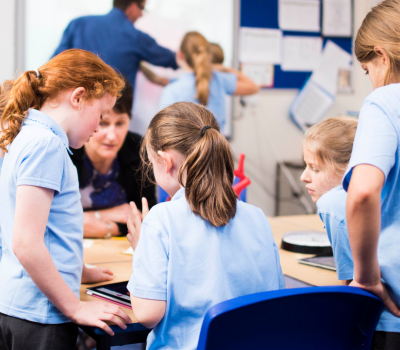
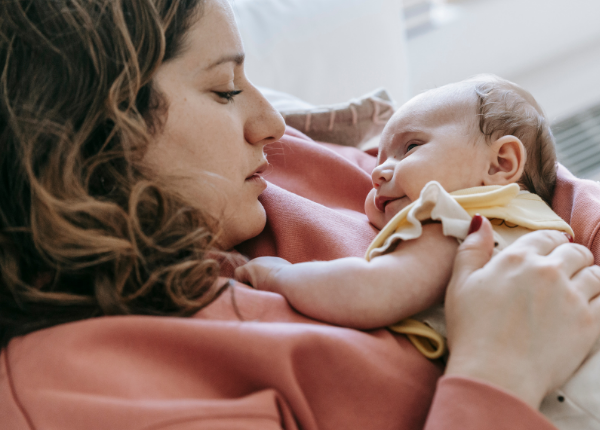
This week is Maternal Mental Health Week, and this year it is looking at the Power of Connection. One member of our team shares her experience of Post-natal depression, and hopes for the future of Perinatal Support Services.
During the multiple lockdowns of the pandemic, our need for social connection, and how to stay connected with one another whilst maintaining physical distance, was tested to the limit.
Even before the Pandemic, feeling isolated was one of most common struggles for new parents, with 52% reporting feeling lonely in an Action for Children study in 2017 [1]. With the lifeline of toddler groups, play dates and cups of tea stripped away, its unsurprising that rates that of Maternal Mental Health problems have increased [2], and appropriate that the theme of this year’s Maternal Mental Health Week is the Power of Connection.
“My hope is that this will create earlier intervention pathways before women reach crisis.”
My third child was born in September 2020. After weathering the first lockdown, we were looking forward to reconnecting with friends and family, sharing the joy of our new arrival. But as I started maternity leave, Covid restrictions started to creep back in, and instead of looking forward to welcoming our new addition, we were panicking about finding someone to care for our older children during labour without ‘breaking any rules’.
My daughter and I both had some health complications in the weeks following her birth but I kept my chin up, my heart set on Boris’s promise that we would ‘have Christmas’. The family would get chance to meet the little one, and we could settle into a new routine in the New Year with the kids back in school.
How wrong we were.
It is a strange experience bonding with a new child but at the same time grieving for what you have lost –not being able to share the joy of her arrival with our family and friends in person genuinely felt like a bereavement – a loss of precious connection.
In the darkness of winter 2021, as the pandemic dragged on, the isolation, exhaustion and seemingly endless lockdown took their toll. Exacerbated by post-natal hormone changes and sleep deprivation, and without the respite of help from friends and family with childcare or the housework, I slipped into serious depression. I began having trouble with cognitive processing, sensory overload and overwhelm. Bombarded by endless news about the pandemic, and with all means of ‘staying connected’ linked to media and social media, things became amplified and distorted, like living in a fishbowl.
Most parents at some point worry about what would happen to their kids if they fell ill. For me, these worries took on a life of their own. Intrusive thoughts became all encompassing, almost a psychotic obsession. I became terrified of catching Covid and not being able to care for my children. I wanted to hide from the world, avoiding any risk, but at the same time, trapped in my own four walls, I felt like I was suffocating.
I contacted my GP a couple of times over the winter, but with NHS services at breaking point, a combination of inappropriate referrals, cancelled appointments, and ineffective virtual assessments prevented me getting the help I needed. I felt abandoned, invisible and worthless. Eventually I was referred to the Perinatal Mental Health Service, but still faced a 5-month wait for support.
At this point, my survival instinct kicked in, and with encouragement from a couple of good friends, I took matters into my own hands. I began attending a peer-led recovery group run by a local church, which brought some focus to my week and anchored me as I started to build my recovery. I could turn up in whatever state I was in, say exactly what I was thinking or feeling, without fear of judgement and knowing it would never be discussed outside the group. Finally, I felt seen and heard.
“We need face-to-face services that provide real human connection for vulnerable parents who so desperately need it during pregnancy and early parenthood.”
As winter turned to spring, walks with lovely people who listened, didn’t judge and graciously tolerated my spaced-out rambling nonsense enabled me to start to feel connected again, that I hadn’t been abandoned.
I have been working with the Perinatal Team for the last six months and the support has been amazing. The tools I am learning to use are useful, practical, and the longer-term nature of the support has given me the time and space to process my feelings, fears, experiences, patterns of thinking and trauma. I am hopeful that what I am learning about myself though the process and the tools I now have will leave me much better equipped to manage my mental health in the future.
Reflecting on my own experience has given me some insight into what support services for new parents need to look like.
It is brilliant that Perinatal Mental Health support will be a core part of the Family Hubs model in England. My hope is that this will create earlier intervention pathways before women reach crisis. For support to be effective and meaningful, it needs to be regular, face-to-face, not time limited, and with a consistent individual building trust and connection.
Listening and validating experiences needs to be at the heart of support parents receive, as well as exploring strategies to understand and manage their mental health, and support to build the confidence needed to opportunities for social connection in their communities.
It is also critical that Baroness Hallett’s Covid Inquiry fully considers the impact the pandemic and the government’s response has had on babies, children, young people and parents, acknowledging the seriousness of Maternal Mental Health and ensuring lessons are learned. Listening needs to be at the heart of this, ensuring those who have felt invisible during the pandemic are acknowledged.
If my daughter’s first few months had not been spent in lockdown, with all normal social connection stripped away, my experience would have been vastly different. As we ‘Build Back Better’, we need to embrace the good about the power of digital platforms that have played a crucial role during the pandemic. But virtual provision mustn’t become a default. We need face-to-face services that provide real human connection for vulnerable parents who so desperately need it during pregnancy and early parenthood, enable us to identify where people are struggling and put in place the right support when needed. Otherwise, we will continue to see unacceptably high rates of poor Maternal Mental Health and all the risks this poses for parents, infants and families.
The following organisations provide advice, support and services to those affected by mental health and their friends and families: Maternal Mental Health Alliance, PaNDAS Foundation (Prenatal and Post Natal Depression support), Mind, Rethink Mental Illness, Samaritans, SANE.
If you are experiencing a mental health crisis or emergency, you can get immediate support from the NSH Mental Health helpline on 0800 652 2861. Or, if you would like to speak to someone confidentially, call 116 123 to talk to Samaritans, or email: [email protected] for a reply within 24 hours.
[1] rb_dec17_jocox_commission_finalreport.pdf (d3n8a8pro7vhmx.cloudfront.net)
18th May 2026
30th April 2026
How Little Minds in Mind Helped One Mum Feel Like Herself Again
16th April 2026
Masquer‑Aid: Building Confidence, Community and Self‑Advocacy
1st April 2026

Children North East is proud to share it is an Investing in Volunteers achiever after being awarded the quality standard this month for the 9th year, this month. The standard demonstrates the value we place on the experience of our volunteers across the organisation and our provision of support for those volunteering with us.
Sarah Peart, Head of HR, shared how pleased the team are with the achievement, “We are very lucky at Children North East to have passionate volunteers supporting our work in a range of roles, including youth peer mentors, student placements and those providing support to families. Maintaining the Investing in Volunteers standard helps us showcase our commitment to those volunteering with the charity and to stay at the cutting edge of best practices in engaging, supporting and developing volunteers.”
Investing in Volunteers is the UK quality standard for all organisations involving volunteers. It aims to improve the quality of the volunteering experience for all volunteers and is delivered by the three national volunteering infrastructure bodies Volunteer Scotland, Volunteer Now, and WCVA. Together they enable organisations across the UK to achieve the award.
To achieve the standard, Children North East was assessed against six quality areas and proved to excel in all aspects of working with its volunteers. These include:
Denise Hayward, Chair of UKVF (the Awarding Body) said “UKVF is delighted to announce Children North East‘s successful achievement of this Award, they have demonstrated a real commitment to volunteering, proven that their volunteer management policies and procedures meet nationally recognised standards.”
Kim Ross, who volunteered with Children North East as a mentor supporting our CAN: Confident Adults Newcastle project, shared her experience, “I’d say it’s probably a 50-50 relationship where the person who’s volunteering is getting as much out of the experience as the person they’re working with.” You can read her case study on our website.
If you think that you could spare a few hours a week supporting our work and would like to learn more about the different volunteering opportunities, visit the dedicated area on our website or email [email protected].
Children North East current Investing in Volunteers award will lasts until 2025.
18th May 2026
30th April 2026
How Little Minds in Mind Helped One Mum Feel Like Herself Again
16th April 2026
Masquer‑Aid: Building Confidence, Community and Self‑Advocacy
1st April 2026
BE KIND! That was the message our awesome FAB Group brought to the Children North East allotment on a bright Spring afternoon this April.
With paints, pens and brushes in hand, they set off creating artworks calling for kindness, including a set of posters and a mural covering on side of the on-site shed. Watch our short video capturing the excitement of the day above, along with some of the photos of what we got up to further down this page!
The Be Kind message was the perfect addition to the allotment, which is often used for therapeutic and wellbeing related support for children and young people accessing Children North East services, as well as fun sessions for our youth groups. Growing plants and food, enjoying nature and cooking sessions based around the BBQ are all part of the wonderful ways the charity makes the most of its outdoor space.
The day was made possible with funding from the Newcastle Council Community Health Fund, which supports community-led activities that pass on public health messages through creative ideas and ‘Community Champions’.
The FAB (Fantastic and Brilliant) Group is a group of young people aged 11 to 25 who have SEND. Every month, the FAB Group come together to make friends, share experiences and exchange insights into support for young people with SEND in the local area and beyond. You can learn more about the Group on our website.


18th May 2026
30th April 2026
How Little Minds in Mind Helped One Mum Feel Like Herself Again
16th April 2026
Masquer‑Aid: Building Confidence, Community and Self‑Advocacy
1st April 2026

With Summer Term upon us, colourful cones and team vests are being prepared for playgrounds and fields across the country. From Sports Day to team activities, sports are an important part of the school day. However, they can also be a key space for inequality to develop, with kit costs, equipment and travel making participation more difficult for children living in poverty. In this article Craig Watson, Poverty Proofing Co-Ordinator at Children North East, shares best practice guidance on creating inclusive school sports.
School sports are an essential part of pupils’ experience being missed
Physical activity has numerous benefits for children and young people’s physical health, as well as their mental wellbeing, and children who are physically active are happier, more resilient and more trusting of their peers. [1]
For these reasons, amongst others, PE is a statutory part of the National Curriculum for Maintained schools in England, with the DfE recommending at least 90 minutes of physical exercise in Primary and Secondary each week. Yet, despite the many positives, some pupils are missing out on these opportunities due to living in poverty.
PE kits are an extension of uniform with their own challenges
During my own time in school, I enjoyed PE, but even as a child I noticed it seemed to be the same children each week forgetting their kit or having an excuse for why they couldn’t do PE. I assumed they just didn’t like PE, and maybe it was as simple as that, but now looking back at it from the view of a Poverty Proofing Coordinator, I understand there is often a deeper reason.
When we work with schools conducting Poverty Proofing® audits, one of the areas that we look at is uniform and, within that, PE kits. We look to find out what the children feel and experience around the rules of PE kits and the consequences for not having it, from being able to borrow kit to not being able to participate in the lesson.
For some children, yes it may be a case that they can be forgetful and occasionally they forget their kit, but what if it is more than that? When a pattern arises, questions schools can reflect on include:
Taking the Poverty Proofing® approach to PE kits
At Children North East, we suggest that when pupils are not in the correct uniform, including PE kit, it should be taken as an indication that there may be difficulties at home and this should be used as an opportunity to offer support rather than sanction.
There are many ways to support children and their families, and we have seen many examples of fantastic practice in our work across UK schools. Lots of schools are trying to remove the shame and stigma around not having the correct PE kit by changing policies to avoid the need for school-branded equipment or by using it as an opportunity to speak to the child. Feedback from pupils at these schools have included:
How to implement best practice in your school
Relaxed kit rules
These quotes show that you don’t have to re-invent the wheel to make PE in school more inclusive for all. Having a more relaxed kit can be one of the most supportive ways schools can help families and children partake in PE. Many schools are now doing this; encouraging children to try and wear either the PE kit or plain clothing that, if possible, matches the school colours (i.e if the school kit is a branded blue t-shirt, make it clear that plain blue is equally appropriate).
Communicate with parents
Some schools do this but do not communicate it clearly with families. Updated wording on uniform policies can be helpful and uniform policies on school websites should make it clear that plain clothing is more than suitable. Some parents we have spoken with found that it can be hard to find plain clothes that match the correct shade of school uniform and so to avoid embarrassment they would buy the branded school wear. One method to get around this would be to adjust school PE tops to be white. Plain white t-shirts are readily available and there would then be no concern around finding the correct shade.
Promote a no logo approach
The one caveat to having a policy like this is to re-enforce the idea that clothes with large logos should be avoided, as this is a way of highlighting financial differences and can put the pressure back that the school is trying to remove.
Reduce the stress and stigma of spare kit
Another important practice schools can do is to ensure the quality, range and presentation of spare kit is to a good standard. Although many schools since the pandemic have been more cautious about handing out spares, having a good standard of spare clothing can help reduce the stigma around using these, I remember myself the dread of trying to find a pair of shorts from lost property that hopefully resembled some sort of appropriate size without holes or stains on them!
Some schools choose to have a central location for all spare kit where it can be effectively managed and maintained and some choose to have individual class spares.
Each have their merits and downfalls and it’s all about what works best for your school. A central location can be great as these will often have a larger range of sizes accessible and can be easier to manage but depending on its location within school, it can make it obvious who is regularly accessing them and daunting for children to go there. Alternatively, spares in class can be much subtler but can sometimes lack a range of sizes and finding space to keep a well organised bank of spares is not always possible.
Schools work incredibly hard to support their children and would never intentionally want to highlight or embarrass someone living in poverty, but next time you hear a child say “Teacher, I’ve forgot my kit again,” think; is it just because it’s a rainy Monday morning and they don’t want to do PE, or could it be something more?
[1] PE and sport premium for primary schools, GOV.UK (www.gov.uk)
18th May 2026
30th April 2026
How Little Minds in Mind Helped One Mum Feel Like Herself Again
16th April 2026
Masquer‑Aid: Building Confidence, Community and Self‑Advocacy
1st April 2026

This appendix is meant to be read in conjunction with the Poverty Proofing the School Day report and action plan you have been sent. In it, we cover the following topics:
We also provide a list of references you can consult for further reading about any of these topics.
Government statistics from March 2020 show that there are approximately 4.3 million children living in poverty in the UK today. This is around 31% of all children in the United Kingdom. [1] This is not set to improve, as forecasts suggest that by 2022, 5.2 million children in the UK will be living in poverty, the highest since modern record keeping began. [2] All of these statistics are based on data that we have before the emergence of the pandemic, whilst the full impact has not yet fully been researched or understood preliminary predictions from the IPPR estimate that an additional 200,000 children will fall in to poverty as a result of Covid-19. [3] In schools, poverty is often equated with children and young people in receipt of Free School Meals and Pupil Premium. While this is a superficially useful indicator, we know that many children and young people trapped in poverty are not eligible for, or in receipt of, Free School Meals or Pupil Premium. As a result, this project utilises a broader definition of poverty that seeks to understand the ways in which poverty is experienced at school and how it restricts children and young people’s opportunities to flourish.

A more useful definition of poverty, and one that Poverty Proofing® has adopted, is therefore:
“Individuals, families and groups in the population can be said to be in poverty when they lack the resources to obtain the types of diet, participate in the activities, and have the living conditions and amenities which are customary, or at least widely encouraged and approved, in the societies to which they belong. Their resources are so seriously below those commanded by the average individual or family that they are, in effect, excluded from ordinary patterns, customs and activities.” [4] Peter Townsend
In other words, being in the grip of poverty means that children – and their parents – have to go without things that everyone should be able to have in a decent society. At present, our economy is locking families into poverty by restricting their options and presenting them with impossible decisions, such as choosing between heating their home and putting food on the table. More than seventy percent of children living in poverty live in a household where at least one parent works, [5] largely because low paid, temporary, or insecure jobs are often not enough to provide a sufficient income. This, combined with rising living costs, a lack of affordable housing, and ongoing reforms to the benefits system means that families are facing difficult situations and are restricted in their ability to access basic amenities and participate in social life.
Whilst the full effects of Covid-19 are yet to be understood, findings indicate low-income households and families have been disproportionately affected by the crisis. Research from the Standard Life foundation found that within the first three weeks of the UK lockdown, an estimated 7 million households (a quarter of all households in the UK) had lost either a substantial part or all of their earned income as a consequence of the Covid-19 crisis. Families with children, and lone parents were most impacted with 42% experiencing serious financial difficulty or struggling to make ends meet, compared to 24% of other households. [6] For those families experiencing financial difficulties prior to Covid-19 the effects of the pandemic are likely to push them deeper into poverty.
Anyone can be affected by poverty and life changes such as unemployment, illness or family separation can happen to us all. Increasing costs, especially for essentials such as food, housing and fuel, affect most people. However, there are some groups that are much more at risk of being in cpag.org.uk poverty including minority ethnic groups, lone parents and working families [7] as well as the disabled [8], and those with caring responsibilities [9].


Despite the wider economy’s role in locking people into poverty, we often hope – perhaps even expect – that our schools can address or compensate for this situation. However, research overwhelmingly shows that there is a significant gap in attainment between disadvantaged and nondisadvantaged pupils at every stage of their education. At the end of Primary School poor pupils are over nine months behind their peers in reading, writing and maths. [10] Students eligible for Free School Meals are half as likely to achieve a good pass at GCSE in English and Maths in comparison to other students. [11] Moreover, the Education Policy Institute has recently reported that progress to eradicate the attainment gap has stalled and is beginning to increase again. [12] This, all prior to Covid-19 school closures, which the Education Endowment Foundation (EEF) predicts is likely to reverse almost a decade’s worth of progress in closing the attainment gap between children in poverty and their more affluent peers [13] . Findings from the ‘Cost of learning in lockdown [14] report show that 40% of lowincome families reported missing at least one essential resource to support their children’s learning at home during Covid-19 school closures. Furthermore, one third of the families who were most worried about money had to buy a laptop, tablet or other equipment and were more likely to say they found it difficult to continue their children’s education at home.
Despite all of this, schools can act as the key to loosening poverty’s hold on children and young people. All organisations, including schools, have a responsibility to get behind the changes that can solve poverty by showing compassion to each other and looking out for those that are going through a difficult time. Our education system does not have to mirror the society and economy within which it is situated. On the contrary, if we can ensure that policy and practice in schools is orientated towards challenging and removing the restraints that poverty places on people, we can begin to move towards a more just society that is inclusive, non-discriminatory, and which ensures equity of opportunity for all.
Poverty Proofing the School Day was developed by children, young people and teachers to help schools better understand the ways that they can do this. It is based on the guiding principle that:
All activity and planned activity in schools should not identify, exclude, treat differently or make assumptions about those children whose household income or resources are lower than others.
Poverty Proofing the School Day aims to support schools to identify and overcome the barriers to learning faced by children and young people from families with fewer financial resources. This process is about schools reflecting on their day-to-day practice to reduce the stigma and discrimination pupils’ face, with the aim of ensuring that all pupils can participate fully in all aspects of school life. While the causes of poverty can be attributed to our economy schools have a crucial role to play in supporting children, young people and their families to loosen the grip that poverty has on them.
Schools have been given the Pupil Premium to target support to children and young people in order to improve outcomes. Schools are free to spend the funding in the best interests of children, but will be judged and held accountable for closing the gap. This is an increasing Ofsted priority. The latest Ofsted handbook makes it explicitly clear that schools ‘can powerfully address social disadvantage.’ [15] There are a number of aspects of the new Ofsted framework which Poverty Proofing® is able to support, both in terms of providing evidence and also giving the school some suggested development actions.
In the ‘Quality of Education’ chapter of the School Inspection Handbook there is an emphasis on the breadth of curriculum that all pupils, but particularly disadvantaged pupils, have access to. Ofsted is also keen to explore schools’ curriculum intent, more specifically ‘how the intended curriculum will address social disadvantage by addressing gaps in pupils knowledge and skills.’ [16] The ‘Personal Development’ Ofsted requirements can also be linked to Poverty Proofing®. Ofsted has stated that: ‘schools are crucial in preparing pupils for their adult lives, teaching them to understand how to engage with society and providing them with plentiful opportunities to do so.’ [17] Linked to curriculum intent and personal development is the notion of cultural capital, another central aspect of the audit process. Ofsted are not only looking to see what opportunities are available for pupils, but also which pupils access them and if the opportunities really are for all. This is a core component of the Poverty Proofing® ethos. This report contains detailed information on the opportunities the school provides for pupils and also identifies potential next steps. Poverty Proofing® is all about how schools addresses social disadvantage, what they are doing well, and how they could improve, and therefore supports schools in working towards the demands of the new framework.
The sub-headings for each area of the report provide a more detailed explanation as to what will be discussed in each thematic area, including how these areas are linked to the Ofsted framework.
Righting the wrong of child poverty is crucial because it has devastating effects for children (not just in their childhood but in their adult life as well), their families and for society more generally.
Poverty has a significant impact on children’s health. These health inequalities are present from birth, and there are more babies born with low birthweights in more deprived areas than those born in less deprived areas. [18] Birthweights of children born in deprived areas are on average 200g less than those born in more affluent areas. [19] Low birthweight has been linked to increased health problems in later life. [20] Infant mortality levels in deprived areas of England are also nearly twice as high as in more affluent areas. [21] cpag.org.uk
Startling health inequalities continue throughout childhood and can be observed over a large number of key health indicators. Not only are incidences of chronic illness such as asthma more common in children growing up in poverty, the impact of these illnesses on children’s lives seems to be greater among poor children. [22] Poor children are more likely to experience emergency hospital admissions. [23] In England’s most deprived areas, over 41% of children are overweight or obese compared to 24% in the most affluent areas. [24]
Research has shown that poverty has a significant impact on life expectancy, in particular healthy life expectancy. [25] Men in the most deprived areas live on average 18 years less in ‘good’ health compared to men in the least deprived areas; for women they gap is even wider at nearly 20 years. [26] Those who live in less deprived areas spend about a sixth of their life in poor health, compared to nearly a third for those in more deprived areas. [27]
In addition to physical health, research shows that poverty and growing up in poverty affects mental health. The Social Mobility Commission concluded that: ‘people who live in more deprived areas typically have lower life satisfaction scores, are less likely to think that the things they do are worthwhile, less likely to feel happy yesterday, and are more likely to be anxious.’ [28] Suicide rates are also higher in deprived areas than more affluent areas. [29]
23% of parents with children under eighteen reported skipping meals in order to make ends meet and feed their children. [30]
During Covid-19, it was estimated that five million people in the UK, living in households with children under 18, experienced food insecurity and 200,000 children had to skip meals because their family couldn’t access sufficient food during lockdown. [31]
The number of people accessing food banks has substantially increased in recent years, with more than 2.5 million emergency food parcels being distributed by the Trussell Trust in the 12 months prior to April 2021. Of these, almost 1 million were provided for children. [32]
During April 2020 the Trussell Trust reported an 89% increase in emergency food parcel demand compared to the same month last year, including a 107% rise in parcels given to children. [33]
It is estimated that 3 million children in the UK are at risk of suffering from ‘holiday hunger’. [34]
Children who live in poverty are more likely to live in bad housing. They are a third more likely to suffer respiratory problems such as chest problems, breathing difficulties, asthma, and bronchitis than other children. [35]
Many families living in poverty struggle to keep their home warm enough. Households with children under 10 are a significantly greater risk of suffering from fuel poverty than adult only households. [36] A cold home exacerbates underlying healthy conditions and can affect weight gain in babies in young children, impacts negatively on children’s mental health, educational attainment and attendance at school and increases feelings of helplessness. [37]
Over one third of people living in the UK and over half of 18 to 24 year olds have had to go without hygiene or grooming essentials or cut down on them due to lack of funds. [38]
People who live in poverty are more likely to be the victim of a crime. The most deprived areas in England have a much higher rate of reported crimes (26.2 per 1,000) compared to those in the least deprived areas (15.3 per 1,000). [39]
Nearly two-thirds of all children in the UK – were living in families with savings less than the average monthly income (£1,569). More than half of all children live in families with no savings at all. [40]
There is a strong stigma attached to living in poverty and poor children are often bullied at school.41 Not wanting to appear poor means that a lot of children who are entitled to Free School Meals don’t actually take them and poor families will often go without other items to protect their children from this stigma. [42]
Poverty also affects children’s friendships at school with children growing up in poverty more likely to play alone, fall out with their friends and less likely to talk to their friends about their worries. [43]
Only one in eight children from low income backgrounds will become a ‘high earner’ when they are adults. [44] The UK has very low ‘social mobility’ which is sometimes expressed as ‘poor children grow up to be poor adults’.
It has been estimated that 20% of the nation’s schools budget is spent on tackling issues associated with poverty. [45]
There is an ‘attainment gap’ between pupils who receive Free School Meals and those pupils that don’t receive Free School Meals. By the end of reception, 45% of pupils eligible for Free School Meals did not achieve a good level of development in 2019 in comparison to 26% of those not eligible. [46]
In 2019, 71% of pupils eligible for Free School Meals reached the required standard for the phonics check compared to 84% of non-Free School Meals pupils. [47] Furthermore, in 2019, 51% of pupils in Key Stage Two who were eligible for Pupil Premium achieved the expected standard in reading, writing and maths, compared to 71% of non-Pupil Premium students – a gap of 20%. [48]
The attainment gap persists for pupils throughout secondary school. In 2019, the average Attainment 8 score of pupils eligible for Pupil Premium was 40.2, compared to an average score of 53.7 for pupils not eligible for Pupil Premium. [49] Thirty percent of pupils eligible for Free School Meals achieved a pass (grades 9-5) in Maths and English in comparison to 57% of non-Pupil Premium pupils.
By age 19 over 50% of disadvantaged students leave schools without at least a level two qualification in English and Maths, compared to just 25% of non-disadvantaged students. [50]
Students that are persistently disadvantaged (have been eligible for Free School Meals for at least 80% of their time at school) are on average 22.6 months behind their better off peers by the end of secondary school. [51]
In general, the poorest students are four times more likely to be permanently excluded from school than their peers. [52]
Even with the same qualifications disadvantaged students are 50% more likely to be Not in Education, Employment, or Training (NEET). [53]
Young people who have grown up in poverty and attend university have a 33% higher dropout rate than those that didn’t. [54]
Those that graduate with a degree are still more likely to be unemployed than their better off peers, and graduates who were eligible for Free School Meals at school are paid on average 11.5% less than their peers with the same qualifications. [55]
People with a poorer background are often paid less than those that grew up in more comfortable circumstances. Twenty seven percent of people from a working-class background are paid below the voluntary living wage, in comparison to 17% of those with an advantaged background. [56]
[1] Department for Work and Pensions (2021) Households below average income: for financial years ending 1995 to 2020.
[online] Available at < https://www.gov.uk/government/statistics/households-below-average-income-for-financial-yearsending-1995-to-2020 [Last accessed 29/07/2021]
[2] Institute for Fiscal Studies (2017) Living standards, poverty and inequality in the UK: 2017–18 to 2021–22. [online] Available
at: <https://www.ifs.org.uk/uploads/publications/comms/R136.pdf> [Last accessed 29/07/2021]
[3] IPPR, Estimating Impacts of Coronavirus Pandemic. [Online] Available at: <https://www.ippr.org/files/2020-06/estimatingpoverty-impacts-of-coronavirus.pdf> [Last accessed 29/07/2021]
[4] Townsend, P. (1979) Poverty in the United Kingdom. [online] Available at: <http://www.poverty.ac.uk/free-resourcesbooks/poverty-united-kingdom> [Last accessed 29/07/2021] p.31.
[5] Department for Work and Pensions, Households below average income (note 1).
[6] Standard Life Foundation (2020) Coronavirus Financial Impact Tracker. [online] Available at:
<https://www.standardlifefoundation.org.uk/en/our-work/publications/april-2020> [Last accessed 29/07/2021]
[7] Child Poverty Action Group (2020) Child Poverty facts and figures. [online] Available at: https://cpag.org.uk/childpoverty/child-poverty-facts-and-figures [Last accessed 29/07/2021]
[8] Child Poverty Action Group (2020) Who is at risk of poverty? [online] Available at: <https://cpag.org.uk/child-poverty/whorisk-poverty > [Last accessed 29/07/2021]
[9] Joseph Rowntree Foundation (2020) UK Poverty 2020/21 [online] Available at: < https://www.jrf.org.uk/report/uk-poverty2020-21> [Last accessed 29/07/2021]
[10] Hutchinson, J; Bonetti, S; Crenna-Jennings, W. and Akhal, A. (2019) Education in England: Annual Report [of the Education Policy Institute] 2019. [online] Available at: <https://epi.org.uk/wp-content/uploads/2019/07/EPI-Annual-Report-2019.pdf> [Last accessed 30/07/2021]
[11] Department for Education (2019) Key stage 4 Performance 2019 (Revised). [online] Available at: <
https://www.gov.uk/government/statistics/key-stage-4-performance-2019-revised> [Last accessed 30/07/2021]
[12] Education Policy Institute (2020) Education in England. Annual Report 2020.[online] Available at: <
https://epi.org.uk/publications-and-research/education-in-england-annual-report-2020> [Last accessed 30/07/2021]
[13] Education Endowment Foundation (2020) Impact of school closures on the attainment gap: Rapid Evidence Assessment.
[online] Available at: <https://educationendowmentfoundation.org.uk/public/files/EEF_(2020)_-
_Impact_of_School_Closures_on_the_Attainment_Gap.pdf> [Last accessed 30/07/2021]
[14] Child Poverty Action Group (2020) The cost of learning in lockdown family experiences of school closures [online] Available
at: <https://cpag.org.uk/sites/default/files/files/The-cost-of-learning-in-lockdown-UK-FINAL_0.pdf > [Last accessed
30/07/2021]
[15] Ofsted (2019) School inspection handbook: Handbook for inspecting schools in England under section 5 of the Education
Act 2005. [online] Available at <https://assets.publishing.service.gov.uk/government/uploads/system/uploads/attachment_data/file/814756/School_inspe
ction_handbook_-_S5_4_July.pdf> [Last accessed 21/08/2019], p.41
[16] See note 9, p.43
[17] See note 9, p.58
[18] Public Health England (2019) Health profile for England, 2018: health of children in the early years. [online] Available at:
<https://www.gov.uk/government/publications/health-profile-for-england-2018/chapter-4-health-of-children-in-the-earlyyears> [Last accessed 30/07/2021]
[19] Tucker, J. (2018) The impact of poverty on child health. [online] Available at: <https://www.rcpch.ac.uk/newsevents/news/impact-poverty-child-health> [Last accessed 30/07/2021]
[20] Nuffield Trust (2021) Low birth weight. [online] Available at: <https://www.nuffieldtrust.org.uk/resource/low-birthweight#background> [Last accessed 30/07/2021]
[21] Office for National Statistics (2021) Infant mortality (birth cohort) tables in England and Wales [online] Available at
<https://www.ons.gov.uk/peoplepopulationandcommunity/birthsdeathsandmarriages/deaths/datasets/infantmortalitybirth
cohorttablesinenglandandwales> [Last accessed 30/07/2021]
[22] Royal College of Paediatrics and Child Health (2017) State of Child Health. [online] Available at: <
https://stateofchildhealth.rcpch.ac.uk/evidence/prevention-of-ill-health/healthy-weight/> [Last accessed 30/07/2021]
[23] Nuffield Trust (2017) Admissions of inequality: emergency hospital use for children and young people [online] Available at:
<https://www.nuffieldtrust.org.uk/files/2017-12/nt-admissions-of-inequality-web.pdf> [Last accessed 30/07/2021]
[24] Royal College of Paediatrics and Child Health, (2020) State of Child Health, [online] Available at:
<https://stateofchildhealth.rcpch.ac.uk/evidence/prevention-of-ill-health/healthy-weight/.> [last accessed 30/07/2021]
[25] Office for National Statistics (2021) Health State national life expectancies by deprivation deciles, England: 2017 to 2019
[online] Available at:
<https://www.ons.gov.uk/peoplepopulationandcommunity/healthandsocialcare/healthinequalities/bulletins/healthstatelife
expectanciesbyindexofmultipledeprivationimd/latest#life-expectancy-and-healthy-life-expectancy-in-england-by-the-indexof-multiple-deprivation> [Last accessed 30/07/2021]
[26] Ibid.
[27] Public Health England (2018) Health profile for England, 2018: inequalities in health. [online] Available at:
<https://www.gov.uk/government/publications/health-profile-for-england-2018/chapter-5-inequalities-in-health> [Last
accessed 30/07/2021]
[28] Social Mobility Commission (2019) Social Mobility in Great Britain- State of the nation 2018-2019. [online] Available at:
<https://assets.publishing.service.gov.uk/government/uploads/system/uploads/attachment_data/file/798404/SMC_State_o
f_the_Nation_Report_2018-19.pdf> [Last accessed 30/07/2021] p.18.
[29] Public Health England (2018) Health profile for England, 2018: wider determinants of health. [online] Available at:
<https://www.gov.uk/government/publications/health-profile-for-england-2018/chapter-6-wider-determinants-of-health>
[Last accessed 30/07/2021]
[30] Sustain (2018) 1 in 4 UK parents skipping meals due to lack of money [online] Available at:
<https://www.sustainweb.org/news/jan18_calls_grow_for_government_food_insecurity_measurement> [Last accessed
30/07/2021]
[31] Food Foundation (2020) New Food Foundation Survey: Five Million People Living In Households With Children Have
Experienced Food Insecurity Since Lockdown Started. [online] Available at: < https://foodfoundation.org.uk/new-foodfoundation-survey-five-million-people-living-in-households-with-children-have-experienced-food-insecurity-since-lockdownstarted> [Last accessed 30/07/2021]
[32] Trussell Trust (2019) End of year stats. [online] Available at <https://www.trusselltrust.org/news-and-blog/lateststats/end-year-stats> [Last accessed 30/07/2021]
[33] The Trussell Trust (2020) Summary findings on the impact of the Covid-19 crisis on food banks. [online] Available at:
<https://www.trusselltrust.org/wp-content/uploads/sites/2/2020/06/APRIL-Data-briefing_external.pdf> [Last accessed
30/07/2021]
[34] APPG Hunger (2019) Hungry Holidays. [online] Available at <https://feedingbritain.org/wpcontent/uploads/2019/01/hungry-holidays-1.pdf> [Last accessed 30/07/2021]
[35] National Energy Action, (2019) Under One Roof. [online] Available at < https://www.nea.org.uk/wpcontent/uploads/2020/11/NEA-Under-One-Roof-FULL-REPORT-FINAL-Feb-19.pdf> [Last accessed 30/07/2021]
[36] Department for Business, Energy and Industrial Strategy (2020) Annual Fuel Poverty Statistics Report [online] Available at
<https://assets.publishing.service.gov.uk/government/uploads/system/uploads/attachment_data/file/966509/Annual_Fuel_
Poverty_Statistics_LILEE_Report_2021__2019_data_.pdf > [Last accessed 30/07/2021]
[37] Ibid.
[38] In Kind Direct (2017) Primary School Children in Hygiene Poverty. [online] Available at:
<https://www.inkinddirect.org/primary-school-children-in-hygiene-poverty/> [Last accessed 30/07/2021]
[39] Public Health England, Health profile for England, 2018: inequalities in health. (Note 24).
[40] Action for Children (2020), Most UK children a pay cheque away from going without essentials like food. [Online] Available
at: https://www.actionforchildren.org.uk/news-and-blogs/press-releases/2020/april/most-uk-children-a-pay-cheque-awayfrom-going-without-essentials-like-food/. [Last accessed 30/07/2021]
[41] National Education Union and Child Poverty Action Group (2018) Child poverty and education: A survey of the experiences
of NEU members. [online] Available at: <https://neu.org.uk/press-releases/child-poverty-harms-childrens-educationalopportunities> [Last accessed 30/07/2021]
[42] Child Poverty Action Group and British Youth Council (2012) Going Hungry? Young people’s experience of free school
meals, Child Poverty Action Group and British Youth Council. [online] Available at:
<http://www.cpag.org.uk/sites/default/files/Going%20Hungry%20young%20peoples%20experiences%20of%20Free%20Sch
ool%20Meals.pdf> [Last accessed 30/07/2021]
[43] National Children’s Bureau and Joseph Rowntree Foundation (2016) Growing poverty detrimental to children’s friendships
and family life. [online] Available at: <https://www.ncb.org.uk/about-us/media-centre/news-opinion/growing-povertydetrimental-childrens-friendships-and-family> [Last accessed 30/07/2021]
[44] Social Mobility Commission (2016) State of the Nation 2016: Social Mobility in Great Britain. [online] Available at: <
https://assets.publishing.service.gov.uk/government/uploads/system/uploads/attachment_data/file/569410/Social_Mobilit
y_Commission_2016_REPORT_WEB__1__.pdf > [Last accessed 30/07/2021]
[45] Joseph Rowntree Foundation (2016) Poverty costs UK £78 billion per year – JRF report. [online] Available at:
<https://www.jrf.org.uk/press/poverty-costs-uk-%C2%A378-billion-year-%E2%80%93-jrf-report> [Last accessed 30/07/2021]
[46] Department for Education (2020) Early years foundation stage profile results: 2018 to 2019 Early years foundation stage
profile results: 2018 to 2019. [online] Available at: <https://www.ethnicity-facts-figures.service.gov.uk/education-skills-andtraining/early-years/attainment-of-development-goals-by-children-aged-4-to-5-years/latest#by-ethnicity-and-eligibility-forfree-school-meals > [Last accessed 30/07/2021]
[47] Department for Education (2019) National curriculum assessments at key stage 1 and phonics screening checks in England, 2019. [online] Available at:
<https://assets.publishing.service.gov.uk/government/uploads/system/uploads/attachment_data/file/851296/Phonics_scre
ening_check_and_key_stage_1_assessments_in_England_2019.pdf> [Last accessed 30/07/2021]
[48] Department for Education (2019) National curriculum assessments at key stage 2 in England (revised). [online] Available
at:<https://assets.publishing.service.gov.uk/government/uploads/system/uploads/attachment_data/file/851798/KS2_Revise
d_publication_text_2019_v3.pdf> [Last accessed 30/07/2021]
[49] Department for Education (2020) Key stage 4 performance, 2020. [online] Available at: <https://explore-educationstatistics.service.gov.uk/find-statistics/key-stage-4-performance-revised/2019-20> [Last accessed 30/07/2021]
[50] Social Mobility Commission (2019) Social Mobility in Great Britain- State of the nation 2018-2019
[51] Hutchinson, J. et al, Education in England (note 11).
[52] Department for Education (2021) Permanent and fixed period exclusions in England: 2019/20. [online] Available at:
<https://explore-education-statistics.service.gov.uk/find-statistics/permanent-and-fixed-period-exclusions-in-england > [Last
accessed 04/08/2021]
[53] Impetus (2019) Research Briefing I: Establishing the Employment Gap. [online] Available at:
<https://impetus.org.uk/assets/publications/Report/Youth-Jobs-Gap-Establising-the-Employment-Gap-report.pdf> [Last
accessed 04/08/2021]
[54] Social Mobility Commission (2019) Social Mobility in Great Britain- State of the nation 2018-2019 (note 26).
[55] Ibid.
[56] Ibid
18th May 2026
30th April 2026
How Little Minds in Mind Helped One Mum Feel Like Herself Again
16th April 2026
Masquer‑Aid: Building Confidence, Community and Self‑Advocacy
1st April 2026