

18th May 2026

Celebrate World Children’s Day with the Centre for Population Health and Children North East at Population Health: Strongest Start.
Join us for a dynamic day dedicated to empowering conversations, fostering meaningful connections, sharing cutting-edge knowledge, and inspiring actionable change to improve the lives of babies, children, and young people.
Why Prioritise Children’s Health?
Today’s child health directly shapes tomorrow’s population wellbeing. Every child deserves healthcare that supports their development and future potential. Neglecting investment in children’s health now risks long-term repercussions, including increased strain on healthcare services, community infrastructure, and economic sustainability.
Currently, 31% of children in the UK live in poverty, significantly impacting their immediate and long-term health outcomes and costing the economy approximately £39 billion annually. Addressing this challenge is both a moral and economic imperative, and the time for collective action is now.
Innovation and collaboration hold immense potential, yet must be harnessed carefully to prevent widening existing inequalities.
Attendees will benefit from:
Whatever your sector, organisation or role – you have an important part to play in driving change for better. Everyone is welcome.
About the organisers
Centre for Population Health is a practical action-focussed think tank that has been working to support systems around England to build leadership for population health and equity and approaches for working across sectors to improve practices.
Children North East is a children’s charity working across the North East and nationally to give every baby, child and young person a happy, healthy start in life. It delivers services and provides consultation with tens of thousands of individuals each year.
Additional support for this event is kindly being provided by Newcastle United Foundation.
Interested in reaching influential health, social, and community leaders? Centre for Population Health and Children North East are offering various sponsorship opportunities tailored to enhance your visibility and impact. For more information, contact [email protected].
Join the conversation and be part of shaping a stronger start for future generations.
#CPHCNE25
18th May 2026

30th April 2026
How Little Minds in Mind Helped One Mum Feel Like Herself Again

16th April 2026
Masquer‑Aid: Building Confidence, Community and Self‑Advocacy

1st April 2026
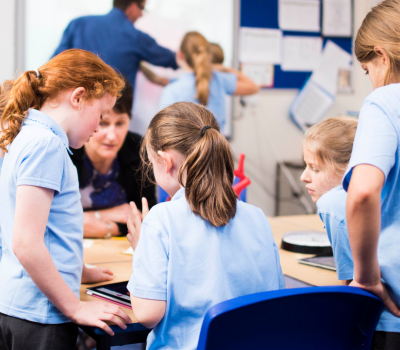
Recent analysis of the latest data on child poverty carried out for the End Child Poverty coalition by Loughborough University sets out once again the scale of child poverty impacting on the lives of children and families across the region.
‘Every child in every part of the North East should be able to have the best start in life, but this research shows how far we currently are from that ambition. We see the terrible, limiting impact of this every single day on the children and families we work with across the region, including those punished by the two-child limit. ‘
Yet we know there is nothing inevitable about child poverty in the North East. With the right policies, investment and leadership from the top, we can change this. The Government must quickly set out how it plans to do this, before another generation of children across our region have their entire childhoods blighted by poverty.’ Leigh Elliott, CEO Children North East
The data, which is based on the region’s parliamentary constituencies, and includes housing costs shows that:
Child poverty is not inevitable and can be tackled by action at national, regional and local levels. Although we are disappointed that the Government has delayed the publication of the National Child Poverty Strategy until the Autumn, we will continue to call for a strong national policy framework to tackle child poverty, including the scrapping of the two-child limit, which is the single biggest action which would make a difference across the country, and especially in areas with higher rates of child poverty such as the North East.
We will also continue to work with strategic and local authorities in tackling local issues, and promoting Poverty Proofing®, our evidence-based approach to working with schools, health trusts and other organisations to mitigate the impact of poverty on children.
Child poverty has lasting and resounding impacts on children as they grow up, creating hidden barriers to accessing healthcare, education and cultural opportunities as well as building a stigma around what they feel they can aspire to be. “That isn’t for people like us” is a phrase we hear all too often from children experiencing poverty, referencing career choices, education opportunities and even places to live.
We must all take action now to tackle child poverty and ensure every baby, child and young person has the tools they need to grow up happy and healthy.
18th May 2026
30th April 2026
How Little Minds in Mind Helped One Mum Feel Like Herself Again
16th April 2026
Masquer‑Aid: Building Confidence, Community and Self‑Advocacy
1st April 2026

Help Is Available: How Children North East Supports Children and Families Affected by Abuse and Why Funding Matters
Every child deserves to grow up feeling safe, supported, and valued. Sadly, we know that an estimated 1 in 20 children in the UK have been sexually abused*, which can have lasting effects on their emotional and mental wellbeing. In recent weeks, we have also seen a rise in high profile sexual abuse cases being discussed in the press and on social media, something which can evoke trauma or uncomfortable conversations for victims, whether they have disclosed their abuse or not.
At Children North East, we are committed to providing specialist support for children and young people affected by sexual abuse, helping them to process their trauma and manage its impact on their lives.
Abuse Can Affect Anyone
Sexual abuse affects children from all backgrounds, and perpetrators can come from all walks of life. It is not limited to any particular community, class, culture or social group. The experience of abuse can highly differ from case to case – each victim’s experience is unique.
Recognising this is crucial in ensuring that every child gets the support they need without fear of stigma or repercussion. At Children North East, we stand firmly in the belief that every child who has experienced harm deserves to be heard without judgement and provided with care, understanding, and access to the right services.
How We Support Children and Families
Our dedicated, expert team provides specialist support for children, young people who have been affected by abuse, and their families; offering a safe space where they can process their experiences and begin to heal.
Therapeutic Support
Our trained professionals provide trauma-informed therapy to victims aged 0 to 18 (up to 25 with SEND). One-to-one counselling and creative therapies help children and young people to work through their experiences in a way that feels safe and manageable. We have a dedicated SAFE (Sexual Abuse Family Engagement) programme, which offers people in the Northumbria area up to twenty sessions of therapeutic support to help them process their trauma and support them in recovery. We hope to extend this much needed service to more areas in the future.
Family and Caregiver Support
We understand that abuse affects entire families, leaving individuals with trauma, impacting relationships and diminishing their established support networks. Our SAFE programme works with family, whether they are parents, carers, siblings, grandparents or other important people in the young person’s life, providing help on how to support and safeguard them during recovery and beyond.
Education and Early Intervention
Education and awareness can play an important role in helping vulnerable children and young people, as well as the those around them, to understand safe behaviours. We work within families, communities and schools to provide information on the law and red flags relating to sexting and social media, recognising coercive behaviour and healthy relationships; supporting individuals with the tools to recognise risks and where know re to seek help if they ever feel at risk.
Without support, victims are left to navigate the aftermath of abuse alone
“Our allocated worker was very skilled and put us at ease immediately. She tailored the course to meet our family’s specific situation and the support and guidance she offered felt both bespoke and responsive. Sensitive and difficult discussions were handled with kindness, gentleness and empathy; this has been hugely beneficial.” One parent’s experience of accessing professional family support with Children North East
Providing these vital services relies on continued funding, Government, public sector organisations and private funders. Therapy, early intervention and advocacy require resources, trained specialists, and safe spaces where children can feel heard and protected. Without these services individuals are not only left to navigate the impact of abuse alone, having potential devastating consequences on their future, but the risk of being a victim again increases.
We are pleased to share that Northumbria Police Crime Commission are working with Children North East to provide support, extending funding of the SAFE programme for a further 12 months. Since March last year, the programme has supported 123 young people in the aftermath of abuse.
Together, we can ensure that no child faces the effects of abuse alone.
If you are in immediate danger as a result of abuse, call 999. If you are experiencing a mental health crisis or emergency, you can get immediate support from the NHS Mental Health Helpline on 0800 652 2861. Or, if you would like to speak to someone confidentially, call 116 123 to talk to Samaritans, or email: [email protected] for a reply within 24 hours.
* https://learning.nspcc.org.uk/research-resources/statistics-briefings/child-sexual-abuse
18th May 2026
30th April 2026
How Little Minds in Mind Helped One Mum Feel Like Herself Again
16th April 2026
Masquer‑Aid: Building Confidence, Community and Self‑Advocacy
1st April 2026
This video shows the impact our Poverty Proofing® work has had for the professional working in the NHS. This work was made possible with funding from the North East and North Cumbria ICB, thank you to everybody involved and Unified Films for bringing this to life.
If you would like to know more about our work Poverty Proofing® Healthcare, visit our webpage now or email us on [email protected]
18th May 2026
30th April 2026
How Little Minds in Mind Helped One Mum Feel Like Herself Again
16th April 2026
Masquer‑Aid: Building Confidence, Community and Self‑Advocacy
1st April 2026
It is with sadness that we acknowledge the passing of our colleague Michele Deans (March 2025), whose work and dedication greatly enriched the lives of children, young people, and families across the North East. Her legacy and contributions will always be remembered.
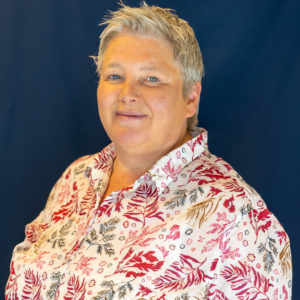
An Open Letter from our CEO
It is with great sadness that I share the news of the death of our colleague, Michele Deans, who died last Thursday following a period of illness.
Michele was an integral part of Children North East, widely respected for her dedication and the significant impact she made in representing the voices of babies, children, young people, and their families across our region. Through her work, Michele built meaningful partnerships with many key stakeholders, leaving an enduring legacy in our community and in the lives of those she supported.
On behalf of everyone at Children North East, I extend our deepest sympathies and heartfelt condolences to Michele’s partner, family, friends, and colleagues during this difficult time. She will be greatly missed.
Funeral arrangements have been made, Michele’s family would like her life to be honoured with a service for those who wish to attend;
Funeral Service: 3pm on Thursday 10 April at Saltwell Crematorium
Following Gathering: at The Victoria Pub
Michele’s family have requested that attendees wear casual, light and bright clothing.
In line with the wishes of Michele’s family, those who wish to honour her memory are invited to make a donation to Children North East in lieu of flowers. Your support will help continue the work Michele cared so deeply about and ensure her passion lives on in the lives of children and families across the region.
For anyone wishing to pay their respects, please feel welcome to contact us directly. We will share further details, including funeral arrangements, in accordance with the family’s wishes.
Thank you for your kind thoughts and continued support as we remember Michele’s invaluable contributions.
Warm regards,
Leigh Elliott, Chief Executive Officer
Children North East
18th May 2026
30th April 2026
How Little Minds in Mind Helped One Mum Feel Like Herself Again
16th April 2026
Masquer‑Aid: Building Confidence, Community and Self‑Advocacy
1st April 2026
As the government sets its budgets for the coming years, they must recognise that the cost of not getting it right first time for babies, children and young people is far too high. Despite budgetary pressure, they must take a long-term view and make early intervention support for children a top priority.
A really good pair of leather boots cost fifty dollars. But an affordable pair of boots, which were sort of OK for a season or two…cost about ten dollars. … A man who could afford fifty dollars had a pair of boots that’d still be keeping his feet dry in ten years’ time, while a poor man who could only afford cheap boots would have spent a hundred dollars on boots in the same time and would still have wet feet*.
This theory, set out by the character Sam Vimes in Terry Pratchett’s novel Men at Arms in 1993, is often cited as a way to explain the pressures faced by low-income families, known as the Poverty Premium. Spending the bare minimum to get by; cheap poor quality goods that do the job for today, costing more in the long run.
Public Services are falling victim to the Poverty Premium
But we can also apply this analogy to systems and services. In recent years, budget pressure has resulted in many of our public services only focusing on meeting immediate and acute needs. But the evidence now clearly shows this has actually resulted in government departments and local authorities spending more, not less, whilst outcomes for children have become worse.
Investing in the next generation is critical
On the most fundamental level, not investing in babies, children and young people is the ultimate false economy, with the potential for lifelong impact to the lives, health and happiness of those children.
When this lack of investment has a discernible impact on such a significant proportion of all children in the country – 30% growing up in poverty, 20% struggling with their mental health, 7% missing a significant chunk of their education – the long-term societal impact will be enormous.
Austerity has led to Local Authorities spending more, not less
In spending terms, it is clear that cutting investment in prevention and early intervention is a false economy.
Driven by austerity, between 2010 and 2019 Local Authorities in the North East cut their Children’s Services budgets in real terms by a third**.
With statutory duties to keep the most vulnerable children safe rightly robust, the only place many authorities could make ‘savings’ was to scale back the early intervention support they could offer to struggling families.
In 2022, the Children’s Social Care Review found overwhelmingly that families in contact with social services felt they were being assessed and monitored, but not getting the support they needed.
And analysis by Pro-Bono Economics published in 2024 found that between 2010-11 and 2022-23, spending on early interventions fell by 44%, and now accounts for less than one-fifth of total spending on children’s services.
The result of these cuts is that the number of children in care is at a record high in our region and local authorities’ spending on residential care placements has snowballed, with overall spending now higher than it was in 2010. They are spending a fortune yet more children are suffering with the impact of neglect, trauma and disruption. Their feet are well and truly wet.
The social and financial cost of poor outcomes for young people is enormous
We have seen similar patterns in other services and support that give babies, children and young people the opportunity to thrive.
It is not surprising that in the same period Local Authority spending on youth work fell by over 70%, the number of children struggling with their mental health has almost doubled. This is putting pressure on health systems, contributing to increased school absence and driving an increase in worklessness among young adults.
It’s clear from our frontline work, and backed up by the data, that if we don’t invest in prevention and early intervention work with babies, children, young people and their families – across health, education, social care and youth work – we will continue to see more and more of them struggling. These struggles can escalate into greater and more complex needs, which are more expensive to address, and lead to needless suffering and lost potential. The social and financial cost is huge.
The spending review needs to put an end to underinvestment in children
We’re urging the new government to commit to breaking the cycle of underinvestment which creates higher financial and social costs further down the line.
We want them to deliver on their promises to tackle the youth mental health crisis, giving all young people access to the support they need when they need it, through access to early intervention support in every school and every community. We also want a reinvestment in youth work to create places to go and things to do, accessible to all young people, all year round.
We’re waiting to see how the promised transformation of Children’s Social Care will materialise, to support children and families to reverse the trend on children entering the care system and give families the support they need to thrive. We want early intervention, through Family Hubs and Start for Life services to continue to be a core pillar of this, and for it to be properly resourced nationally. We also want intensive support to be available to families when they need it, to keep families together and help them flourish.
We’re also looking towards the pledged reform of the SEND education system, to ensure young people with additional needs and neurodivergence can get the education they are entitled to, in safe, inclusive environments.
Prevention should be the bedrock of our services
At the heart of this is the need to view prevention and early intervention as the bedrock of our public services, not a ‘nice to have’. Phase two of the spending review is being billed as a resetting of the way public services budgets are created. It is critical that this delivers a funding model that moves beyond the Vimes Boots spiral of poor outcomes and high spend, and gives all babies, children and families the chance to thrive.
References:
* Terry Pratchett, Men at Arms, 1993
**The Northern Echo – Children’s services funding cut by a third in North-East
18th May 2026
30th April 2026
How Little Minds in Mind Helped One Mum Feel Like Herself Again
16th April 2026
Masquer‑Aid: Building Confidence, Community and Self‑Advocacy
1st April 2026