

18th May 2026
New figures released today (Wednesday 19 May) by the charity Action for Children reveal that over a third of children in the North East are growing up in poverty, once housing costs are taken into account.
The research, carried out by Loughborough University for the End Child Poverty Coalition, shows our region has seen the most dramatic rise in child poverty over the past five years, fuelled by stagnating family incomes.
 Overall child poverty rates in the North East have risen by over a third – from 26 per cent to 37 per cent – over five years, moving from just below the UK average to the second highest of any region, after London. Every North East local authority reported increases in child poverty rates, after housing costs are taken into account. Newcastle and Gateshead in particular have seen their child poverty rates soar.
The new data also reveals the North East constituencies with greatest numbers of children living in poverty are Middlesbrough (46 per cent) and Newcastle upon Tyne Central (45 per cent), closely followed by South Shields (39 per cent), Gateshead (38 per cent) and Hartlepool (38 per cent).
Vikki Waterman is a single mum of two from Durham who works full-time. She says poverty in the North East cripples hard-up families and it beggars belief that the UK Government doesn’t understand the struggles facing working parents, even more so following the financial impact of COVID-19.
“Too many of us in the North East work twice as hard for half as much. We’re not living, were just about surviving.
“Working families, particularly single parent families, already live day to day with the constant fear of having no flexibility or financial safety net, often forcing them to turn to high interest loans in times of desperate need. The government must not allow those of us barely managing to keep our heads above water from going under.”
Leigh Elliott, Chief Executive of Children North East, said:
“Poverty levels in the North East are a national disgrace and the Covid-19 crisis is deepening the divide between the haves and the have-nots in our society. It is our children who are suffering as parents lose their income and family stress levels rise. Meanwhile, the learning gap will continue to increase and poorer pupils will continue to go hungry unless the Government addresses the widening inequalities in our region.”
Imran Hussain, Director of Policy and Campaigns at Action for Children, said: “These deeply worrying figures reveal the true extent of the hardship facing families across the North East– even before the pandemic hit. With child poverty rates soaring, children in the region are among those most exposed to the devastating economic consequences of the pandemic.
“Our frontline workers tell us that poverty levels are at the worst they ever seen, as they deliver vital support to families in the region desperately trying to keep their kids clothed and well-fed.
“We are desperately concerned this generation of children have had their childhoods and life chances damaged and disrupted by poverty and the pandemic. If the government truly wants to level up parts of the country hardest hit by poverty, they must scrap their plans to cut Universal Credit later this year and give families a fighting chance at recovery.”
Amanda Bailey, Director of the North East Child Poverty Commission, added: “This alarming new data really does demonstrate the scale of the challenge in reducing inequalities for most parts of the North East, which have only been exacerbated by the pandemic – and yet we are still to hear how the post-Covid recovery and proposals to level up the country will address this growing child poverty crisis.
“The single most important step the Government could take to improve the lives and opportunities of children and young people across our region is to commit to a clear plan – backed up with decisive action – to tackle child poverty.
“This must start by not going ahead with the planned cut to Universal Credit which will have a devastating impact on thousands of families across the North East.”
Children’s charities are calling on the UK Government to recognise the scale of the problem and its impact on children’s lives and to create a credible plan to end child poverty which must include a commitment to increase child benefits. Given the extent to which families are already struggling, the planned £20 p/w cut to Universal Credit come October should also be revoked, with the support extended to those on the ‘legacy’ benefits system.
18th May 2026

30th April 2026
How Little Minds in Mind Helped One Mum Feel Like Herself Again

16th April 2026
Masquer‑Aid: Building Confidence, Community and Self‑Advocacy

1st April 2026
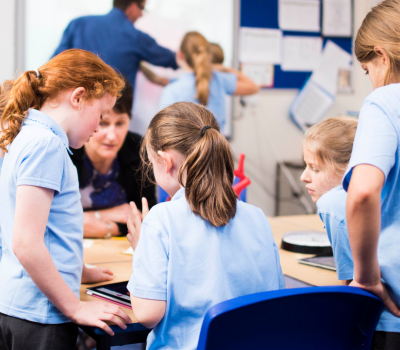
MORE than 35,000 pupils in the North East of England who live below the poverty line do not qualify for free school meals under current legislation.
A new report, The Cost of Missing Lunchtime – a Briefing on Free School Meals in the North East of England by Children North East, Child Poverty Action Group (CPAG) and the North East Child Poverty Commission (NECPC) reveals one in four children from poorer families in the region are not entitled to a free, nutritious daily meal at school.
 The data also highlights another 4,000 North East pupils, living in families with no recourse to public funds, due to their immigration status, may also miss out if the temporary extension of school meals to these households is not made permanent.
Luke Bramhall, Poverty Proofing and Participation Service Manager for Children North East, said:
“It is clearly not right that many thousands of primary and secondary pupils in our region are being deprived of vital nutrition.
“We believe the current eligibility threshold for free school meals is too low so we are calling on the Government to restore the previous eligibility threshold, which included all families on Universal Credit. This should be extended to all those on equivalent benefits.
“Furthermore, we want to see the temporary extension of free school meals eligibility to be made permanent for those households with no recourse to public funds.”
In 2013 the Government introduced a temporary measure, making all families in receipt of Universal Credit eligible for free school meals. This was designed to protect families from losing out on entitlements during the initial stages of the roll-out.
However since 1 April 2018 families have had to have an income less than £7,400 to be eligible.
Children North East, CPAG and the NECPC say this has led to many pupils who are living in poverty falling through the Free School Meals net.
Poorer children are not only missing out on nutrition, says the report, they are also being deprived of extra help in the classroom as free school meals take-up is directly linked to Pupil Premium funding.
Alison Garnham, Chief Executive of CPAG explained:
“We know that free school meals help struggling families to stay afloat, as well as improve the health and educational outcomes of their children. But many across the North East are missing out, exposing children to hardship. Government must step up urgently and expand eligibility for free school meals to make sure no kid goes hungry.”
“Schools and local authorities can also play an important role by making sure families who are already eligible take up free school meals: this has benefits for eligible children but also increases school funding which helps all pupils.”
The three organisations, Children North East, Child Poverty Action Group and the North East Child Poverty Commission, have calculated it would cost £38.1m to expand free school meals to all households in the North East in receipt of Universal Credit or equivalent benefits, on top of the current status quo.
Amanda Bailey, Director of the NECPC, said this is cost effective:
“Research shows that free school meals have a number of proven benefits and are an effective anti-child poverty measure. They can help boost children’s learning and attainment as well as supporting their health through providing a balanced meal each day.”
“Children also benefit from the social experience of sitting down together, eating the same food and sharing the dining hall experience. For families, free school meal entitlement can relieve pressures on household budgets and free up money for other living costs.
“Expanding free school meals to more children can also help to tackle inequalities by decreasing the number of children in low income families who miss out, and it can reduce stigma associated with the entitlement.”
Other recommendations in the report, which is being sent to North East MPs, local authorities and schools, include:
18th May 2026
30th April 2026
How Little Minds in Mind Helped One Mum Feel Like Herself Again
16th April 2026
Masquer‑Aid: Building Confidence, Community and Self‑Advocacy
1st April 2026
Children North East is working with Newcastle University on the VOICES project, gathering the viewpoints of children and young people on the impact of Covid-19 on their lives.
The VOICES team are excited to launch our first evidence report ‘Covid disruption and the resource divide: interim evidence from children and young people in the North East’ with both the full and summary versions of the report available.

This interim report presents evidence from 180 children and young people (age 5-18) in the North East, as we work to our target of talking with 1,000 children and young people across the North East. Through focus groups and other consultation methods, we found out about what children and young people’s lives are like now, to share this evidence and help organisational leaders bring about change for the better.
Understanding young people’s needs have always been a knowledge gap for policy makers, particularly for children living in poverty, and has been made worse by Covid-19. Our headline findings make clear calls to action, and we also ask policymakers to take note of the more long term, complex, and emergent issues affecting young people.
Our three priorities for action from this first phase report are:

This first interim report shares evidence from the first phase of VOICES up to January 2021. We are working with organisational leaders and policymakers to support change based on young people’s experiences and needs and our next reports will focus on findings from our ongoing North East regionwide consultation.
We are keen for more organisations to get involved in VOICES – please contact [email protected] or [email protected] to find out more.
18th May 2026
30th April 2026
How Little Minds in Mind Helped One Mum Feel Like Herself Again
16th April 2026
Masquer‑Aid: Building Confidence, Community and Self‑Advocacy
1st April 2026
Disadvantaged babies, children and young people are likely to suffer disproportionately from the fall-out of the Covid pandemic.
This month our charity has submitted evidence to two parliamentary committees in relation to the impacts on children that staff are witnessing.
Together with North East Child Poverty Commission (NECPC) we submitted evidence to the House of Commons’ Work and Pensions Committee, which looks into the policies and spending of the Department for Work and Pensions.
 We’re calling for child poverty reduction targets to be set, along with a comprehensive, cross-departmental Government strategy to achieve them and a Secretary of State, effectively a child poverty ‘Tsar’, responsible for overseeing this.
You can read here the evidence we submitted to the Work and Pensions Committee.
We have also been contributing to the House of Lords’ COVID-19 Committee which is investigating the long-term impact of the pandemic on parents and families.
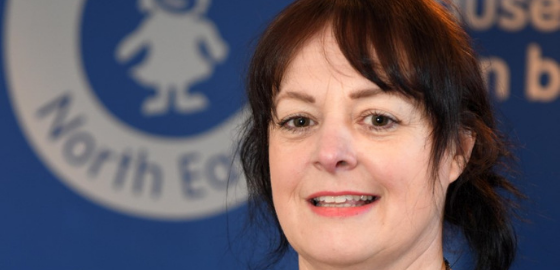 Children North East Chief Executive, Leigh Elliott, said:
“Our staff see the devastating effects of poverty on family life day by day and it is vitally important we share our findings with legislators in order to effect real change.
“Amongst the issues staff are reporting are an increase in counselling referrals for domestic violence; school phobia amongst children who have been out of the classroom for a long time and anxieties around employment opportunities for young people.”
18th May 2026
30th April 2026
How Little Minds in Mind Helped One Mum Feel Like Herself Again
16th April 2026
Masquer‑Aid: Building Confidence, Community and Self‑Advocacy
1st April 2026
Astronomy fan, Nathan Burns, designed these fantastic Top Trumps cards all about the planets with our Playful Lives project during the Easter holidays.
Eight-year-old Nathan, from Scotswood, is mad about outer space and was delighted to be able to tell Lorna Nicoll and Janine Thomas from Playful Lives everything he knows about the solar system.
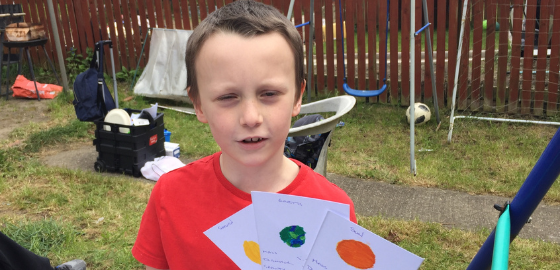 This is the second time Children North East have run the project, which brings play to people’s doorsteps, thanks to funding from Newcastle City Council’s Holiday Activity Fund
It’s all part of the city-wide Best Easter Ever. Nathan’s dad, Tom, who is bringing up Nathan on his own, suffers from back problems and finds it difficult to be as active as he’d like. He said: “I have a prolapsed disc so I can’t run around with him or anything like that.
“Keeping him amused can be hard work but luckily Nathan’s got a good imagination. It’s hard to find things to do because I don’t drive and there’s not really a lot round here, there’s not really a park or anything.
“Having the Playful Lives people come, it’s nice for the bairn. He doesn’t have any siblings to play with so all the attention is from me. When people come round it gives him an escape, he comes alive when he talks to other people.”
Tom said Nathan has been fascinated by astronomy for about four years. “I think it started with him watching YouTube and he’s learned all the ins and outs of every planet.”
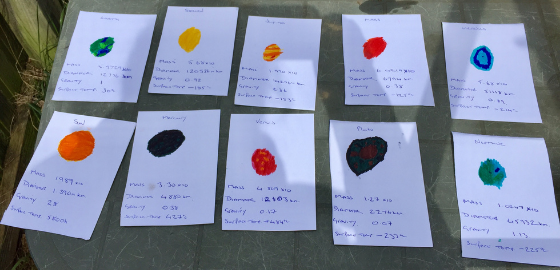 Nathan was involved in the first Playful Lives sessions, launched last summer as part of Newcastle City Council’s Best Summer Ever, and the Bridgewater School pupil was excited to discover the play workers were returning again this Spring.
Playful Lives is a unique holiday activity scheme which aims to support 5-18 years olds in the West End during school holidays. Working in conjunction with the West End Schools’ Trust, play workers from Children North East turn up to families’ homes in all weathers to show them new activities, all at a low cost.
Lorna Nicoll, Children North East’s Poverty Proofing and Participation team manager, said, “We’ve really enjoyed being with families in their gardens and back yards again this Easter. Nathan’s beaten both me and Janine at Top Trumps, but that’s all part of the fun!”

18th May 2026
30th April 2026
How Little Minds in Mind Helped One Mum Feel Like Herself Again
16th April 2026
Masquer‑Aid: Building Confidence, Community and Self‑Advocacy
1st April 2026
With lockdown restrictions easing and better weather coming, our services have been able to take full advantage of our fantastic allotment in the West End of Newcastle.

During the Easter break, our Young People’s Service and Families and Parenting service have been able to fully utilise our allotment to meet with our groups face to face for the first time this year. With added funding from Newcastle City Council’s Holiday Activity Fund for our Best Easter Ever, we’ve been able to increase activities which have included Easter Egg Hunts, maintenance of the allotment and planting of the veggie patches.

Young People from our Boys’ Group meeting at our allotment

Young People from our Girls’ Group meeting at our allotment
Highlighting the invaluable resource our allotment provides, Denise Gilholme, Youth Team Manager at our Young People’s Service, said:
“Use of the allotment provides a valuable space in which our young people can meet in a socially distanced environment. The therapeutic benefits of working together, in an outdoor environment, alongside the simple act of having lunch with friends, are phenomenal in terms of supporting everyone’s mental health and wellbeing. Just switching off from the virtual world away from what must seem 24-hour screen use, has proven to be a much needed activity for both young people and staff.”
“In more ways than one, the allotment offers a place to grow for young people. Alongside the Holiday Activity Fund, we’ve received support from the Co-op Local Community Fund, we have been able to invest in new tools. To bear fruit from this labour, we are also in the process of employing a Youth Worker to support the increased use and development of the work utilising such an invaluable outdoor space and resource especially in response to recovering post-Covid!”
18th May 2026
30th April 2026
How Little Minds in Mind Helped One Mum Feel Like Herself Again
16th April 2026
Masquer‑Aid: Building Confidence, Community and Self‑Advocacy
1st April 2026