

18th May 2026

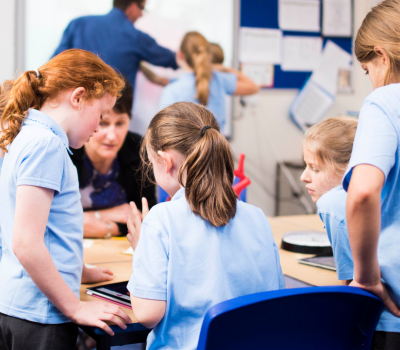
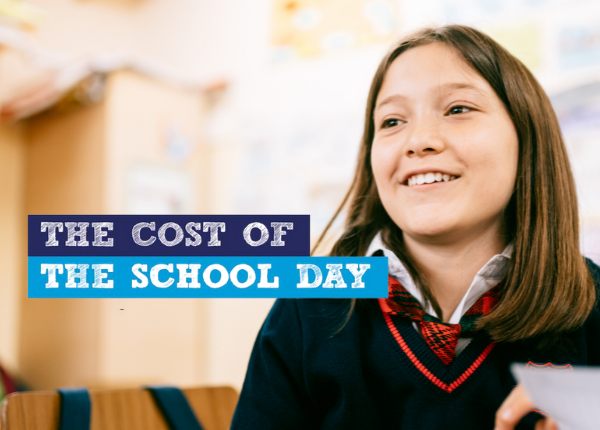
Every child should feel like they belong – especially at school. A school’s uniform can bring the school community together and create a shared identity. But when school uniforms are too expensive, this doesn’t happen.
In 2020, research from The Children’s Society revealed 1 in 8 families were having to cut back on essentials like food to afford uniforms for their children. 1 in 10 families were borrowing from friends or getting into debt to cover the costs.
Our research, completed with Child Poverty Action Group, shows the impact can be huge. Without the right uniform, children might not feel that they’re part of the school community. They can feel out of place or isolated, worrying about not wearing the right thing. They might be made fun of or even bullied. That’s why the new law on school uniforms that was passed in 2021 is so important.
The new law means affordability must be the top priority for schools when setting uniform policies. The Department for Education has also released statutory guidance about the issue – meaning all state-run primary and secondary schools must follow it.
To help your school implement the guidance, The Children’s Society, Child Poverty Action Group, and Children North East have joined forces to share some ideas and good practice from our research with schools. With some adjustments to policies and practices, schools can relieve the pressure of uniform costs on children and their families.
The key areas covered in the guide are:
We’ve also gathered ideas and suggestions from pupils and families about how uniform can be made more inclusive. We always want to hear from schools about they are tackling uniform policy, so if you have some ideas that have been impactful, why not share them with our team on Twitter.
18th May 2026

30th April 2026
How Little Minds in Mind Helped One Mum Feel Like Herself Again

16th April 2026
Masquer‑Aid: Building Confidence, Community and Self‑Advocacy

1st April 2026
 Children North East and Child Poverty Action Group are proud to announce we have been shortlisted for a national sector Award.
The Third Sector Awards have recognised the UK Cost of the School Day programme in the Charity Partnership of the Year category, which celebrates charities working together to effectively deliver services to beneficiaries and to reach new groups.
Since 2019, the UK Cost of the School Day programme has consulted with over 7,300 pupils directly and 7,000 indirectly to understand the impact of poverty on children’s school life and supported schools to remove barriers related to poverty for pupils and their families. A true collaboration, the success of the partnership is founded on a shared vision for alleviation of poverty through systemic change. Through publishing findings, sharing best practice and campaigning the programme has influenced long-term change within the sector.
Recognition on the Awards shortlist is a testament to the incredible work of the team involved, who have navigated the challenges of the pandemic to deliver scale of impact against the odds and responded to the rapidly changing needs of pupils, families and schools.
The shortlist includes partnerships doing incredible work across the UK towards diverse range of impacts, including Our Frontline, a project from Samaritans, Mind, Hospice UK and Shout supporting frontline workers whose mental health was impacted during the pandemic and the Help Through Hardship Helpline delivered by Citizens Advice and The Trussell Trust.
Leigh Elliott, Chief Executive of Children North East, comments, “We are delighted to see the UK Cost of the School Day programme recognised in these Awards. With the latest child poverty figures revealing an increase in the number of young people living below the poverty line, it is now more important than ever for organisations to address the invisible barriers they face every day. Child Poverty Action Group shares our vision for a society where children are protected from poverty and we are very proud our collaboration with them has been recognised.”
Alison Garnham, Chief Executive of Child Poverty Action Group comments, “The Awards shortlist has powerful examples of what successful partnerships in the charity sector can achieve. We are proud that our collaboration with Children North East on the UK Cost of the School Day project has been recognised as one such example. This project has allowed us to shine an important light on school-related costs and the consequences of living in poverty on a child’s experience of education. It is through joint work that our project has been able to have wide-ranging reach and impact.”
Winners of the Third Sector Awards will be announced on 30th September.
18th May 2026
30th April 2026
How Little Minds in Mind Helped One Mum Feel Like Herself Again
16th April 2026
Masquer‑Aid: Building Confidence, Community and Self‑Advocacy
1st April 2026

The North East now has the country’s highest rate of child poverty in the UK, with two in five of those aged 16 or under living below the poverty line. This is up from 37% the previous year and 26% six years ago.
The data comes from the latest report from the End Child Poverty coalition, which represents over 70 organisations united in a vision of a UK free of child poverty. North East Child Poverty Commission, of which our Operations Director Michele Deans is Vice Chair, has produced a regional summary and release of the data.
Some of the council areas with the highest child poverty rates include Newcastle, 42.2%, Middlesbrough, 41.2%, Sunderland, 39.7%, Redcar and Cleveland, 39.3%, South Tyneside, 39.1%, and Hartlepool, 39.0%. All six feature in the top twenty worst performing areas for child poverty in the UK.
“Child poverty should never be accepted as a fact of our society.”
Every day across the charity, our teams see the impact of poverty on babies, children, young people and their families. Sometimes the impact is explicit, such as insufficient access to food, heating, clothing or suitable housing. However, our work deals with many of the less defined impacts of poverty, such as the toll it takes on mental health, relationships and engagement with community life. We have therapists supporting new mums to bond with their baby under difficult circumstances, counselling support for families in crisis and drop-ins for young people to access advice, fun and friendship.
Our Poverty Proofing the School Day team are at the frontline of hearing the effect of poverty on the daily lives of children, collecting insights from 10,000s of pupils each year. They capture their difficult experiences of children in their own voices:
“To see real change we must educate people, install those with lived experience of poverty into positions of power and hold decision-makers to account.”
Our CEO, Leigh Elliott has highlighted the challenges charities face in tackling the ‘Wicked Problem’ of poverty, which requires balancing meeting short-term need with campaigning for government intervention and systemic change. In the past year alone, we have loudly advocated for changes to policy on issues that can be game-changing for families on the frontline of poverty, from raising benefits to access to Free Schools Meals to rental reform, as well as distributing research and best practice insights to those who have the power to influence long-term change, such as our Cost of the School Day UK publications. This new data is a fresh call to action for something to be done.
Leigh comments, “The new data from End Child Poverty does not only present a shocking account of child poverty in our region and across the UK but a powerful warning for the future as financial pressures on families continue to grow. Child poverty should never be accepted as a fact of our society. There are many actions the government and other organisations can take to improve the lives of the millions of individuals living in poverty across the UK. We know that the cause of poverty is not choices made by individuals living in poverty, but the choices of decision-makers who do not act in the interest of those with the least in our society, whether by intention or not. To see real change we must educate people, install those with lived experience of poverty into positions of power and hold decision-makers to account.”
Like our peers, End Child Poverty and North East Child Poverty Commission, we are calling for the UK Government to make social security more adequate in the long term, so that every family can afford the essentials:
18th May 2026
30th April 2026
How Little Minds in Mind Helped One Mum Feel Like Herself Again
16th April 2026
Masquer‑Aid: Building Confidence, Community and Self‑Advocacy
1st April 2026

This week Children North East and North Tyneside Learning Trust are celebrating the successful delivery of the BU wellbeing support programme to hundreds of pupils within the Trust’s partnership schools.
Research by the charity Young Minds revealed the extent of the impact of the pandemic lockdowns on young people’s mental health, finding that 83% of them felt it had made their mental health worse. Schools were on the frontline of navigating these challenges, even if it was from behind a screen. For many young people school was the only engagement they had during the lockdown outside of their family.
North Tyneside Learning Trust was motivated to act, partnering with Children North East to deliver a special version of our BU programme which supports young people to develop skills for social and emotional wellbeing.
Pupils from 16 schools were given the chance to undertake a bespoke version of our BU course, tailored to the challenges young people faced during and as a result of lockdown. Through creative activities and positive discussions, the programme supported children and young people to build resilience and develop positive techniques to manage their mental health. It covered diverse subjects that impact the wellbeing of young people, from friendship, self-image, communicating feelings and coping techniques.
119 students took part in courses delivered by the Children North East team, then Partnership staff were trained to deliver the programme, giving more students the chance to take part and extending the access to support for those who already had. Adapting to the challenges of lockdowns both face-to-face and remote versions of the course were offered to schools.
Staff from the schools have shared that BU sessions made a significant impact on many of the young people and saw them using what they had learned in practice, such as coping techniques during times of stress. Some said it was the first time they had seen a session delivered on mental rather than physical health, with one teacher happily surprised to see the quieter male students they had expected to shy away from the topic embrace it and speak freely about some of their experiences.
Gary Munday, Pastoral Guidance Officer at Monkseaton Middle School explains, “The children have responded well to the sessions, and we can see them grow into it as the weeks build up. The sessions have given the students the skills, confidence, and resilience to support them to achieve.”
One thing which shone through the feedback was the positive reflections of the pupils, with one even calling it “absolutely magnificent”. Many of the stories shared by the staff supporting the project fitted into three themes; it was helping the young people cope better, groups have developed strong friendships and they were enjoying the time spent exploring their emotions. Or, as one young participant explained, “…sharing feelings cos sometimes you don’t like to talk about them”. One pupil mentioned in their feedback that it had been a really important outlet to speak about their feelings as their Family Worker was not visiting during the lockdown.
Schools reported the programme had sometimes made a wider impact within their pastoral care. For example, one found that the materials could be used on an individual level with students being supported through difficulties, such as when a disclosure had been made.
Katrina Moffat, Project Manager at the North Tyneside Learning Trust shares how the programme created value for pupils, “The impact of Covid-19 on the young people in our schools reached beyond the classroom and it was important for North Tyneside Learning Trust to support the mental health of our young people. Through working with Children North East, we have been able to provide groups of young people with access to the BU programme and also provide training for staff in schools allowing them to continue to provide support. We’re really pleased to have been able to work with CNE and support North Tyneside Learning Trust schools in this important area.”
The 16 schools that took part were Valley Gardens Middle School, Denbigh Primary School, Hazelwood Community Primary School, Norham High School, Wallsend Jubilee Primary School, Benton Dene School, Monkseaton Middle School, Southlands School, Amberely Primary School, Percy Main Primary School, Richardson Dees Primary School, Westmoor Primary School, Wellfield Middle School, Rockcliffe First School, Ivy Road Primary School and Carville Primary School.
18th May 2026
30th April 2026
How Little Minds in Mind Helped One Mum Feel Like Herself Again
16th April 2026
Masquer‑Aid: Building Confidence, Community and Self‑Advocacy
1st April 2026

We are excited to announce the successful funding of a new project which will research and pilot ways for children and young people from refugee and asylum-seeking backgrounds to engage with and access counselling. The project aims to increase understanding of the barriers faced by displaced young people to participate in therapeutic support.
The project will be delivered in partnership with North East Solidarity and Training (N.E.S.T.), a student-led project from Newcastle University Students’ Union that aims to educate, empower and integrate members of the forced migration community in the North East.
The research has been made possible thanks to funding from British Association for Counselling and Psychotherapy (BACP). It will also allow the team to deliver a pilot programme of 1-2-1 counselling services, group sessions and resources to refugee and asylum-seeking young people who are facing the challenges of rebuilding their lives, integrating into new communities and overcoming trauma.
Those accessing the pilot programme, which will begin in early 2023, will also benefit from N.E.S.T’s expert understanding of the support landscape and be helped to access further opportunities.
The project is currently engaging young people to work with and already has a group keen to support the project, which includes young people from Ukraine, Syria and Afghanistan who have been recently displaced from their home countries by war.
Jeremy Bacon, Third Sector Lead at BACP comments: “This pilot grant scheme, part of our priority strategic focus on improving equality, diversity and inclusion in the counselling professions, is a new initiative for BACP.
“It’s provided opportunities to reach out and engage with organisational members interested in improving access to therapy for people from marginalised and racialised community backgrounds.
“BACP is pleased to be funding this work to improve understanding of structural and cultural barriers to psychological support and provide evidence in support of increasing access to therapy.”
The team intends to pilot approaches to promote access to mental health support services among young members of refugee and asylum-seeking communities by utilising listening to those with lived experience of forced displacement and the experience of youth-led N.E.S.T., as well as tools such as translation technology to develop new support materials.
Luke Bramhall, Head of Youth Services and Poverty Proofing at Children North East comments, “We understand the complexities attached to lived experiences and cultural norms of the refugee and asylum-seeking community, and we want to be able to adapt the ways our counselling service works to increase its reach into this community.
“We respect the depth of work delivered by N.E.S.T within our community to ensure the best possible outcomes for those who are at the most vulnerable points of their lives.
“N.E.S.T is recognised for its outstanding collaborative working approach and resilience to inform and facilitate meaningful change, and this project is an opportunity to bring together our organisations’ expertise to add value to both.”
The project will run until May 2023.
18th May 2026
30th April 2026
How Little Minds in Mind Helped One Mum Feel Like Herself Again
16th April 2026
Masquer‑Aid: Building Confidence, Community and Self‑Advocacy
1st April 2026

In our latest blog, CEO Leigh Elliott calls on the Government to urgently tackle the inequality within Free School Meals eligibility, as new data reveals families in need are being left behind.
This week, new data has been shared by Department for Education (DfE) offering a stark insight into how the current free school meals offer is increasingly not fit for purpose.
The Department’s annual census of Schools, pupils and their characteristics contained shocking insight into the growth of child poverty across the UK and the urgent need for change to pupil premium eligibility to ensure it meets the needs of families facing financial hardship.
Many UK families face a cost of living crisis. Inflation of living costs currently stands at 9%, with expectations it will continue to rise; far ahead of the average, much lower wage growth of 4%. Those receiving Universal Credit are in a worse position, with families with the lowest incomes facing 11% inflation, whilst receiving only a 3.1% increase in benefits.
This rapid increase in the cost of living is pushing many families on lower incomes into financial crisis and poverty. Others are experiencing short-term financial shocks that leave them battling to make ends meet. Whatever the foundation for their situation, no parent should need to decide whether to heat or feed their family or skip meals to ensure their child is fed.
The new DfE data reveals that there has been a 10% increase in eligibility for free school meals in the past year, but this growth is the tip of the iceberg, hiding the true picture of need. For example, the latest data shows that 29% of North East children are eligible for free school meals, yet we know that even before the pandemic and cost of living crisis 37% of North East children lived in poverty. Both sets of data have been collated and published by our government, so why does their current free school meals provision not meet the needs they have identified?
Our Cost of the School Day England partners, Child Poverty Action Group estimate across the UK 800,000 pupils are missing out on free school meals, one-in-three of all children living in poverty. This scale is shocking.
In February this year, we called on Ministers to level up the current free school meals offer and ‘put the inadequacies of the free school meals system in England right’.
Joining forces with the North East Child Poverty Commission (NECPC), Schools North East and Child Poverty Action Group, we asked the government to extend the free school meal offer to all families in receipt of benefits and introduce automatic registration for free schools, to increase uptake among eligible families.
With the rapidly changing landscape of costs for families, it is now more important than ever to make these changes. The government must give children and families on the edge of crisis and the long-term impacts of poverty the same support as their peers. We call on the government to act now or risk a ‘lost generation’ of young people left to live with the impact on their health, education and opportunity to thrive.
18th May 2026
30th April 2026
How Little Minds in Mind Helped One Mum Feel Like Herself Again
16th April 2026
Masquer‑Aid: Building Confidence, Community and Self‑Advocacy
1st April 2026