

Understanding Myself at 25 – and Finding a Workplace Where I Can Truly Thrive
I was diagnosed with ADHD at the age of 25 and it felt like the revelation I’d been waiting for.
For as long as I can remember people around me have insinuated I may have ADHD, or be autistic, but I never really knew what it meant or what it would mean for how I live my life. It was only because of my peers that I began to understand what these things actually mean, beyond stereotypes. With a mix of talking to neurodivergent peers and the formal diagnosis, I’ve probably learned more about myself in the past 2-3 years than ever before. I am now also waiting on a formal autism diagnosis.
Just having the right language to talk about my experiences and patterns has been life-changing both outside and inside of work. Understanding that I have certain behavioural patterns and responses to various situations has meant I can take more control of my life; when for most of it I did not even have any awareness of my emotions or why I would act and feel certain ways. Unfortunately, this is not something that is always taught very well in schools or to young people in general, or at least not when I was there.
As soon as I gained this understanding, I was able to look back across my upbringing and identify all of the different ways my neurodivergence had affected me – and when I knew how to identify and talk about these things it allowed me to explore and develop my relationships with the people around me, as I could communicate more effectively and felt empowered to be open and honest about myself.
All of this is why I love to see the work Children North East do for neurodivergent young people.
I know how huge a difference it would have made to have learned about all of this early on in my life. I think it’s incredibly important for both young people to be given this understanding, but also for their families, as there is often a serious lack of knowledge and understanding.
After giving resources to my parents after my diagnosis, it was like a ray of revelation had hit them – they felt like it should have been obvious but had lacked any understanding and language around the topic themselves throughout my upbringing. Before I came to understand my own neurodivergence I often would be “battling against” myself rather than learning how to adapt my life to work for me.
I believe that if young people are able to do this while still in school and while developing their social world, this means they can be more confident, grounded and have healthier connections and a less stressful time overall.
It’s also great to see spaces being provided for neurodivergent young people to get together and know each other, as I know personally how much confidence and a feeling of social acceptance that can bring – as well as sharing experiences and thoughts with each other being a hugely important way for people to develop understanding and a common language around neurodiversity.
The general understanding of neurodivergence in society needs to be raised and it’s great to know that I work for an organisation that is playing a part in doing this.
Working in a place that truly understands neurodivergence and how to support people has made a huge difference for me to feel like I can thrive in the workplace.
At Children North East the culture of openness and understanding around neurodivergence in the workplace that has allowed me to feel more comfortable at work than I ever have before, as well as being able to be more myself and open with my co-workers. They have supported me by being accommodating and understanding, and trusting me to manage my workload with the required flexibility I need, and openly advocating that I make them aware of any adjustments I might need. This has given me a voice I didn’t have before. It has been wonderful to work in this kind of environment with these kinds of people.
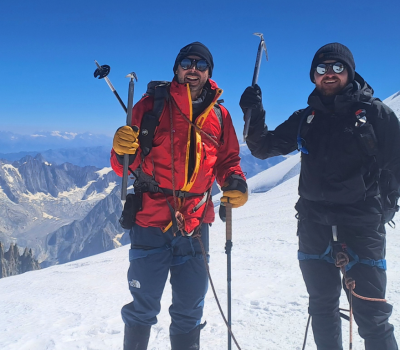
*Name changed and stock image used to protect identity.