

18th May 2026

The North East now has the country’s highest rate of child poverty in the UK, with two in five of those aged 16 or under living below the poverty line. This is up from 37% the previous year and 26% six years ago.
The data comes from the latest report from the End Child Poverty coalition, which represents over 70 organisations united in a vision of a UK free of child poverty. North East Child Poverty Commission, of which our Operations Director Michele Deans is Vice Chair, has produced a regional summary and release of the data.
Some of the council areas with the highest child poverty rates include Newcastle, 42.2%, Middlesbrough, 41.2%, Sunderland, 39.7%, Redcar and Cleveland, 39.3%, South Tyneside, 39.1%, and Hartlepool, 39.0%. All six feature in the top twenty worst performing areas for child poverty in the UK.
“Child poverty should never be accepted as a fact of our society.”
Every day across the charity, our teams see the impact of poverty on babies, children, young people and their families. Sometimes the impact is explicit, such as insufficient access to food, heating, clothing or suitable housing. However, our work deals with many of the less defined impacts of poverty, such as the toll it takes on mental health, relationships and engagement with community life. We have therapists supporting new mums to bond with their baby under difficult circumstances, counselling support for families in crisis and drop-ins for young people to access advice, fun and friendship.
Our Poverty Proofing the School Day team are at the frontline of hearing the effect of poverty on the daily lives of children, collecting insights from 10,000s of pupils each year. They capture their difficult experiences of children in their own voices:
“To see real change we must educate people, install those with lived experience of poverty into positions of power and hold decision-makers to account.”
Our CEO, Leigh Elliott has highlighted the challenges charities face in tackling the ‘Wicked Problem’ of poverty, which requires balancing meeting short-term need with campaigning for government intervention and systemic change. In the past year alone, we have loudly advocated for changes to policy on issues that can be game-changing for families on the frontline of poverty, from raising benefits to access to Free Schools Meals to rental reform, as well as distributing research and best practice insights to those who have the power to influence long-term change, such as our Cost of the School Day UK publications. This new data is a fresh call to action for something to be done.
Leigh comments, “The new data from End Child Poverty does not only present a shocking account of child poverty in our region and across the UK but a powerful warning for the future as financial pressures on families continue to grow. Child poverty should never be accepted as a fact of our society. There are many actions the government and other organisations can take to improve the lives of the millions of individuals living in poverty across the UK. We know that the cause of poverty is not choices made by individuals living in poverty, but the choices of decision-makers who do not act in the interest of those with the least in our society, whether by intention or not. To see real change we must educate people, install those with lived experience of poverty into positions of power and hold decision-makers to account.”
Like our peers, End Child Poverty and North East Child Poverty Commission, we are calling for the UK Government to make social security more adequate in the long term, so that every family can afford the essentials:
18th May 2026

30th April 2026
How Little Minds in Mind Helped One Mum Feel Like Herself Again

16th April 2026
Masquer‑Aid: Building Confidence, Community and Self‑Advocacy

1st April 2026

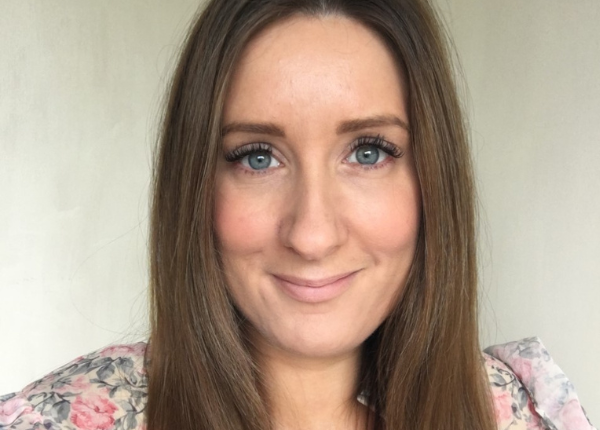
In our latest guest blog, Poverty Proofing Co-ordinator Sarah Hughes shares why she left a career in teaching to join the team and her experience of joining Children North East.
It is the first time I have been paid to spend time writing a blog. With my background as a teacher, I used to write material as models for my classes, but to be directed to write, for the purpose of others to read it, just because – rather than having to – is something I have to keep pinching myself about.
Writing is just one small part of why I am glad I joined this charity. My role as a Poverty Proofing Co-ordinator has enabled me to step outside of the classroom and be plunged into the real workings of schools; I cannot believe how much I didn’t know, I didn’t know – despite thinking I did.
My main focus was to move away from the academic side of working with young people and attempt to be a catalyst in real, systemic change. Every single day of my teaching career involved at least one pupil who was staring poverty in the face; holding the hand of poor mental health, or teetering on the brink of not wanting to exist. This is the true epidemic. This is the reason I could no longer amble on, hoping others would pick up the pieces, so long as these children got their target grades.
What Poverty Proofing the School Day has introduced me to is the ability to connect with so many people. Children are unafraid of voicing how they feel; highlighting the unfair and inadvertent exclusion that schools often work so hard to avoid. Staff are working tirelessly, more so now than ever, to ensure every child has a wealth of opportunities. But by having the gift of voice, to hand that voice to greater power, it illuminates so many dark corners; it gives hope and drives the change that is needed in society. This role is more than I ever could have written down on paper about what I want to spend my days doing.
But for now, I’ll write this blog, and smile!
18th May 2026
30th April 2026
How Little Minds in Mind Helped One Mum Feel Like Herself Again
16th April 2026
Masquer‑Aid: Building Confidence, Community and Self‑Advocacy
1st April 2026

Where we live has a huge impact on our lives. We have all become more aware of this during the multiple lockdowns of the pandemic, as we have contended with working, studying and socialising from home. But for children living in unsafe and unsuitable housing, the impact is catastrophic. This month the Fairer Private Rented Sector White Paper was published, sharing reforms set to be brought into law under the long-awaited Renters Reform Bill. The changes have been called by the Big Issue as the “biggest shake-up of the sector in decades”, but what might this mean for babies, children and young people and why does it matter?
The Fairer Private Rented Sector White Paper, published 16th June, promises to “redress the balance between landlords and 4.4 million private rented tenants”. Its reforms include removing landlords’ rights to make ‘no fault’ evictions, to refuse to rent to families on benefits, or make significant increases to rent.
On paper, the UK has one of the most lucrative housing markets in the world, with the value of property exploding over the last two decades and an influx of foreign investors. But housing market data hides the reality of shocking inequality and a housing crisis, with 1.27 million households facing homelessness, overcrowding and living in hazardous conditions. The White Paper identifies one in five private renters as living in unfit homes. The reality of this is hundreds of thousands of children whose health and wellbeing is suffering because of the conditions they live in.
Research lays bare the devastating impact of poor housing on the health and wellbeing of babies, children and young people. Damp, mouldy conditions pose a huge health risk for babies and young children, significantly increasing the risk of hospital admissions for respiratory illnesses among under 3s and making children three times as likely to develop asthma by the age of seven.
Meanwhile, overcrowding has a significant impact on older children, as their sleep suffers affecting their educational attainment, they struggle to find space to do their homework, and parents worry their children are not coming home as much because of overcrowding. It comes as little surprise that the attainment gap has widened significantly during the pandemic, as children in crowded homes have struggled to engage with online learning, and that there has been increased reporting of mental health difficulties among children and young people during the pandemic.
Creating a healthy home environment in unsuitable, insecure conditions is immensely difficult. We know that housing worries are often a significant contributing factor to the stress faced by parents in the families we support, and that this affects their own health, wellbeing and quality of relationships in the home.
The Fairer Private Rented Sector reforms should help create more secure, longer-term housing options that empower tenants more control over their home environment and reduce anxiety around tenancy risks. If it delivers on its promises, the bill could make a positive impact on the lives of millions. However, how and at what speed the reforms are enforced will determine their true impact. The Renters Reform Bill was promised in 2019 and is yet to be published but is scheduled for release by the end of 2022. The length of this process will be of little comfort to the families living in the conditions it seeks to address.
It is critical that the government makes good on the pledges set out in this White Paper and the Levelling Up White Paper and ensure all homes are fit for human habitation and empower tenants to raise concerns about the condition of their property without the fear of eviction. Moreover, the commitment to increasing the availability of social housing stock needs backing up with a concrete plan. New homes need to be developed based on robust data of local housing need so it contains the right mix of larger and smaller homes to meet demand and eliminate overcrowding.
Children North East want all babies, children and young people to be able to be happy and healthy. Without change, poor housing will continue to contribute to inequality around health and educational attainment and make growing up harder. We need to hold this government to account so that the positive direction of travel into a needs-driven, and effectively-enforced housing policy or hundreds of thousands of children will continue to grow up without a safe home to live in.
18th May 2026
30th April 2026
How Little Minds in Mind Helped One Mum Feel Like Herself Again
16th April 2026
Masquer‑Aid: Building Confidence, Community and Self‑Advocacy
1st April 2026

Across the UK, organisations are taking part in Learning Disability Week, with the aim of raising awareness about important issues impacting individuals with a learning disability and fighting stigma and discrimination.
The week is organised by the national charity Mencap to celebrate and advocate for the 1.5 million people living with a learning disability across the UK, including 2.5% of children.
For over 10 years Children North East has been offering support specifically to help children and young people with special education needs, including those with a disability… from peer groups where they can find support and friendship to mentoring programmes offering a helping hand at key moments in their life, such as moving to independent living.
This Learning Disability Week we want to share some of the support currently available through Children North East making a difference for young people.

Peer Mentoring
Sometimes adults just don’t get what it’s like to be a young person today. So, when it comes to dealing with some opportunities or challenges another young could be the perfect person to talk to and offer support. That is why we created our peer mentoring services.
Our peer mentoring programmes for young people with SEND cover a range of locations and, importantly, goals. It could be working to overcome a challenge in your life to having a friendly face as you’re joining a community activity.
Peer Mentor Robson Steele shares how this support worked for one of his mentees, “Ben* was referred to Youth Link because he lacked confidence talking to people and wouldn’t access public transport by himself which made him quite isolated. As part of the support, we travelled to the activities by bus and metro, which helped Ben gain confidence in travelling by himself. Gradually Ben became more chatty and outgoing, and now attends the FAB Group here at Children North East as well as taking up other hobbies”. You can read Ben and Robson’s story on our blog.
Browse our list of mentoring support available, or if you think you could make a difference as a Peer Mentor to a young person with SEND, learn more about how to get involved on our website.
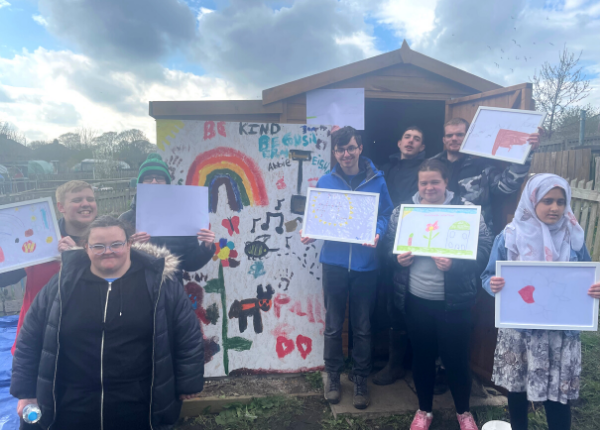
FAB Group
Our longest running group for young people with SEND is the FAB (Fantastic and Brilliant) Group for young people aged 11 to 25. It was set up because we know some of the people best placed to share insights into things that could benefit young people with SEND are… other young people with SEND! Every month, the FAB Group come together to make friends, share experiences and exchange insights into support.
A few times a year, the FAB Group choose and visit a different place in Newcastle and then, after the visit, feedback as a group on their experience and how inclusive they felt it was, helping the venue to improve the experience they offer to other young people who have SEND. Previous visits have included BALTIC art gallery, the Centre for Life science centre and the city’s universities.
Other activities, chosen by FAB members, have included interviewing local musicians such as Joe McElderry and painting a mural at our allotment!
Learn more about our FAB Group.

Masquer-Aid
The journey towards getting a diagnosis and the support which that unlocks can be a new and sometimes emotional experience. One of our newest projects, Masquer-Aid, is a peer support group for people who have recently found out they are neurodifferent or are waiting for a diagnosis. The group talk about shared experiences and explore themes such as mental health and friendship. Attendees can have 1-2-1 conversations with our expert team during the sessions. Aimed at 11 to 25 year olds, there are five different sessions each week across Newcastle and Gateshead including high-energy and chilled sessions, as well as one just for gamers!
Learn more about our Masquer-Aid Support Groups or browse other support groups run by the Children North East.
Do you think you, or someone your know, could benefit from the support offered by Children North East?
You can view a list of current support for young people with SEND available through Children North East on our dedicated webpage.
*Names have been changed for safeguarding reasons
18th May 2026
30th April 2026
How Little Minds in Mind Helped One Mum Feel Like Herself Again
16th April 2026
Masquer‑Aid: Building Confidence, Community and Self‑Advocacy
1st April 2026

In our latest blog, CEO Leigh Elliott calls on the Government to urgently tackle the inequality within Free School Meals eligibility, as new data reveals families in need are being left behind.
This week, new data has been shared by Department for Education (DfE) offering a stark insight into how the current free school meals offer is increasingly not fit for purpose.
The Department’s annual census of Schools, pupils and their characteristics contained shocking insight into the growth of child poverty across the UK and the urgent need for change to pupil premium eligibility to ensure it meets the needs of families facing financial hardship.
Many UK families face a cost of living crisis. Inflation of living costs currently stands at 9%, with expectations it will continue to rise; far ahead of the average, much lower wage growth of 4%. Those receiving Universal Credit are in a worse position, with families with the lowest incomes facing 11% inflation, whilst receiving only a 3.1% increase in benefits.
This rapid increase in the cost of living is pushing many families on lower incomes into financial crisis and poverty. Others are experiencing short-term financial shocks that leave them battling to make ends meet. Whatever the foundation for their situation, no parent should need to decide whether to heat or feed their family or skip meals to ensure their child is fed.
The new DfE data reveals that there has been a 10% increase in eligibility for free school meals in the past year, but this growth is the tip of the iceberg, hiding the true picture of need. For example, the latest data shows that 29% of North East children are eligible for free school meals, yet we know that even before the pandemic and cost of living crisis 37% of North East children lived in poverty. Both sets of data have been collated and published by our government, so why does their current free school meals provision not meet the needs they have identified?
Our Cost of the School Day England partners, Child Poverty Action Group estimate across the UK 800,000 pupils are missing out on free school meals, one-in-three of all children living in poverty. This scale is shocking.
In February this year, we called on Ministers to level up the current free school meals offer and ‘put the inadequacies of the free school meals system in England right’.
Joining forces with the North East Child Poverty Commission (NECPC), Schools North East and Child Poverty Action Group, we asked the government to extend the free school meal offer to all families in receipt of benefits and introduce automatic registration for free schools, to increase uptake among eligible families.
With the rapidly changing landscape of costs for families, it is now more important than ever to make these changes. The government must give children and families on the edge of crisis and the long-term impacts of poverty the same support as their peers. We call on the government to act now or risk a ‘lost generation’ of young people left to live with the impact on their health, education and opportunity to thrive.
18th May 2026
30th April 2026
How Little Minds in Mind Helped One Mum Feel Like Herself Again
16th April 2026
Masquer‑Aid: Building Confidence, Community and Self‑Advocacy
1st April 2026
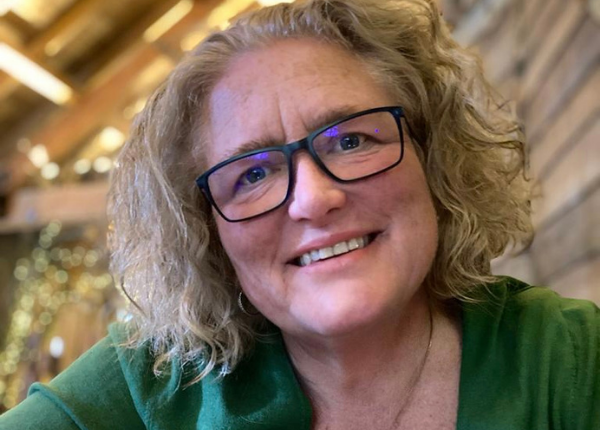
Every year, Children North East reaches thousands of babies, children, young people and families across the North East and beyond… Our ‘Week in the Life’ blog series shines a spotlight on some of the amazing people who help make that impact possible, from practitioners working in the heart of communities to teams behind the scenes keeping the lights on.
In this edition, we meet Julia Ruane, who joined us as a volunteer at the Cowgate Centre and last year took on the role of Family Support Worker. The work she does is wide-ranging, from delivering fun activities for the little ones to supporting families going through our specialist Domestic Abuse Recovery and Education programme (DARE). Let’s learn more…
What’s the first thing you’re doing on Monday morning?
The first thing I do is a run around of the centre. It’s a chance to catch up with everyone who’s in that day, get updates on their life and what’s happening… but also to tidy. When you have this many children coming through there is always a runaway puzzle piece or teddy and I like to find some order, even if it’s only for a moment. Then it’s getting started with emails and texts from the families I’m working with.
What does a typical day look like for you?
You have to plan but it never goes to plan! Some days I’ll be based in the centre supporting the families coming through, but often I’m focused on my casework.
I currently have two families I’m working closely with, who are faced with a number of challenges. The work is wide-ranging and you really have to respond to things as they come up. One day I might be supporting someone with limited English (after living away so long l seem to find it easy to communicate with people from different cultures and languages) to apply for a passport, sometimes it might be going with them to a meeting with the school or job centre or social services to ensure they’re supported through processes.
In the school holidays, my attention is on the DARE programme, working intensively with young people who have experienced domestic abuse. I work with the teens specifically, delivering sessions on subjects like feeling safe and managing negative emotions, but my main focus is getting them to open up about what they’ve experienced so they can start processing the trauma.
What most excites you about your role as a Family Support Worker?
That’s easy. When something clicks with support and you get to see families smiling and opening up. When you see the children smile, it means the world. Also, sometimes I can sense I’m the right person for a family, you find a way to communicate really well and often I get the impression they haven’t had that before from family services. Someone texted me the other day saying “Thank you for letting me be me”. I can’t explain what a fabulous feeling that was. I feel lucky to be able to help.
What did you do before you Children North East?
Where do I start? I was supposed to have retired ten years ago! I’ve had a life full of adventures. I lived in the Middle East for a long time when I was younger. I was a parent and worked different jobs. It was a great life. I’d always find myself in unexpected but interesting situations… I once ended up having dinner with Patrick Swayze!
I’ve also always had something going on to help people in my community. When I lived in an area with a lot of abandoned dogs it was rehoming them. Then there was a period where I was connecting young people and families to free furniture when they were in need. I can’t leave a problem alone if I see an opportunity to help!
What do enjoy outside of work?
Spending time with the family is always number one. When we can find the time in everyone’s busy lives, we come together to have a Sunday Lunch… those are the best moments. I also love meeting up with the girls I grew up with and travelling – but to faraway places, for example, I recently went to Japan. For my 50th I did Chicago with the girls, THAT was a good time!
Learn more about Julia’s work in our DARE Programme case study, which shares information about what happens on the DARE programme and insight from some of the team who deliver it (including Julia!).
18th May 2026
30th April 2026
How Little Minds in Mind Helped One Mum Feel Like Herself Again
16th April 2026
Masquer‑Aid: Building Confidence, Community and Self‑Advocacy
1st April 2026